Anterior cruciate ligament tear



Knee rehabilitation focuses on reducing pain and improving movement and stability so you can walk use stairs and return safely to exercise and activity. Physiotherapy is tailored to your symptoms and put emphasis on strengthening around the knee and better movement control to reduce discomfort and limit flare ups.
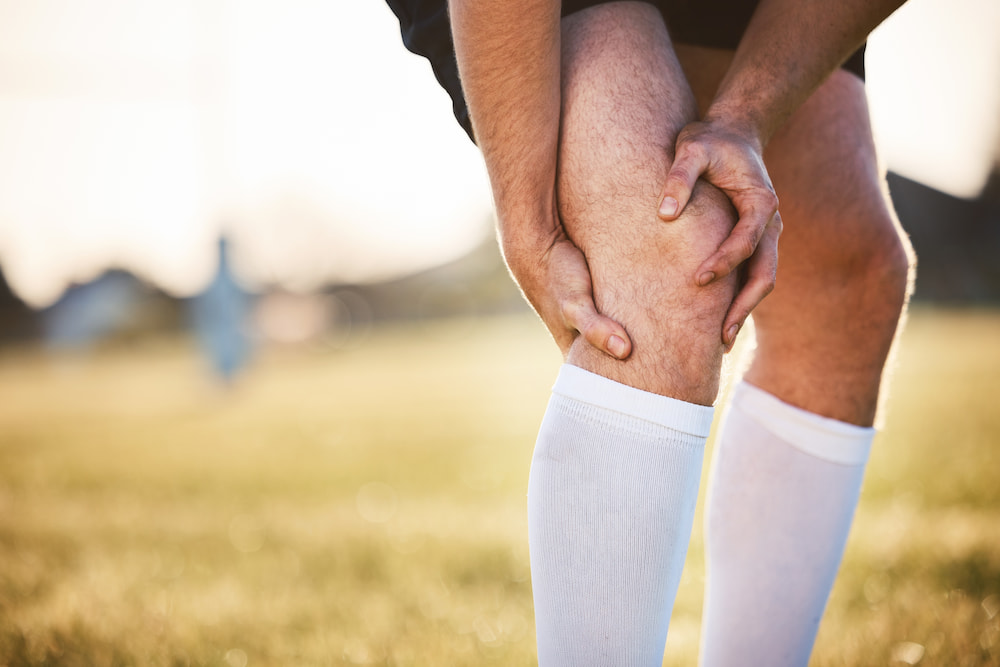
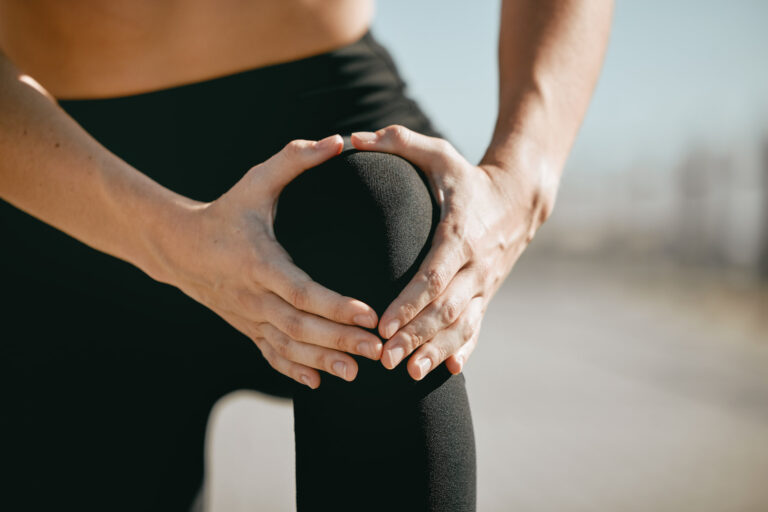
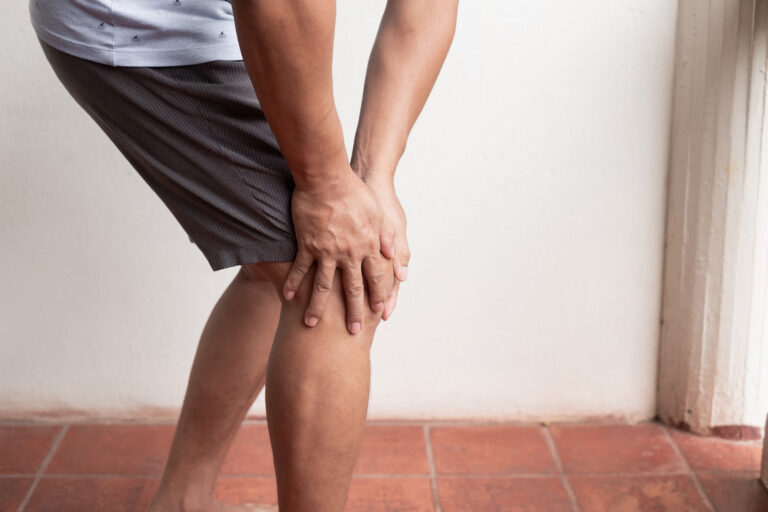
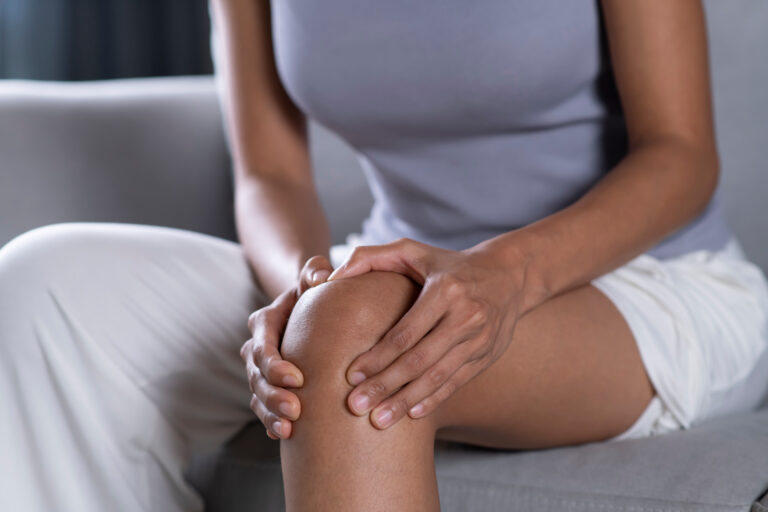
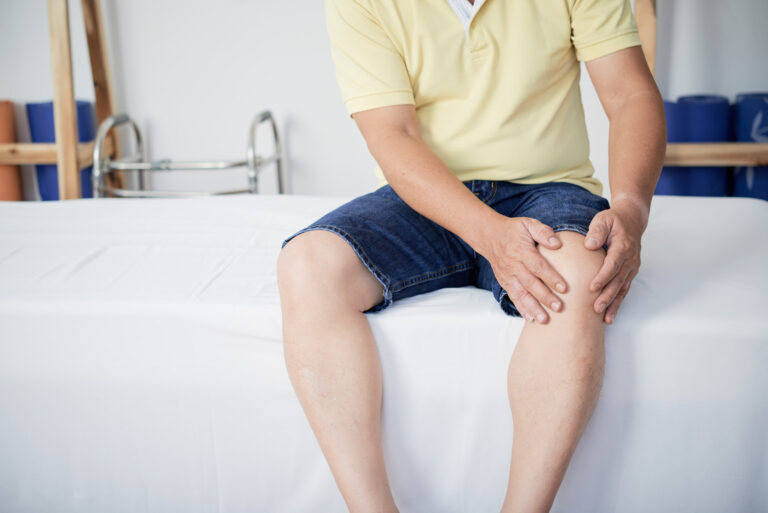
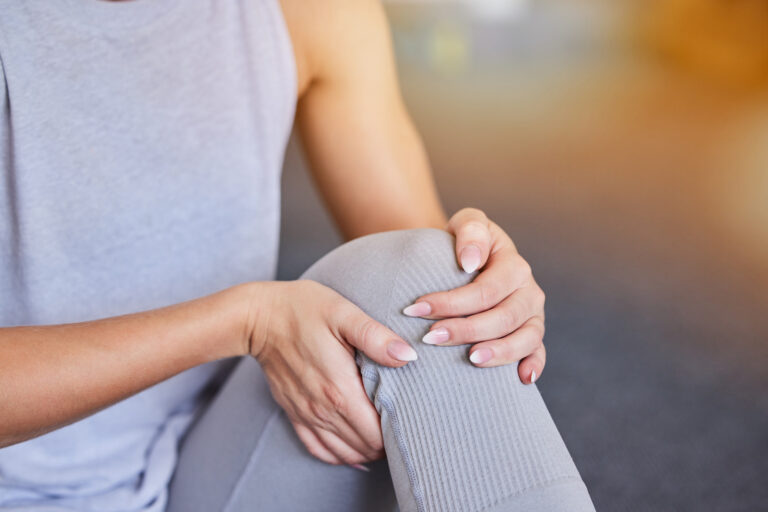
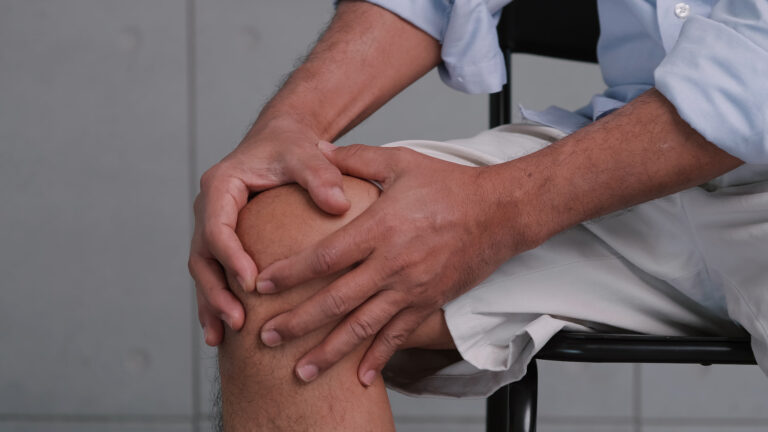
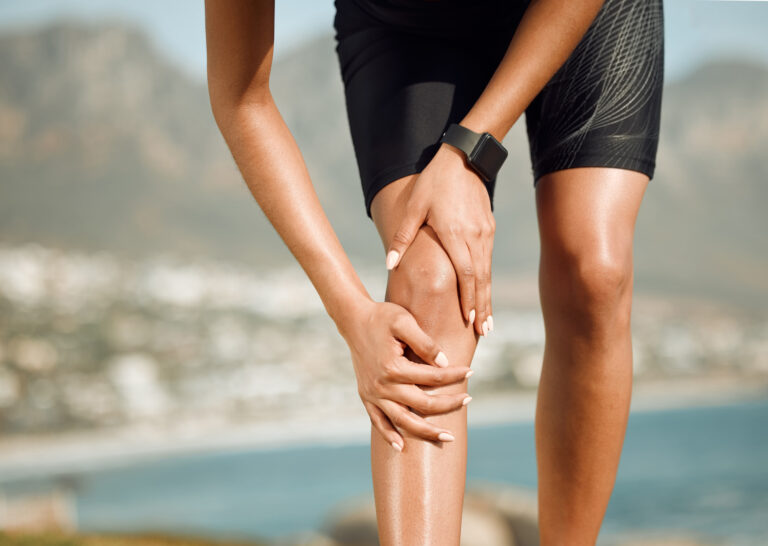
Knee pain can affect simple tasks such as walking stairs sitting and getting up from a chair or even standing for long periods. Pain is often felt at the front of the knee around the kneecap or on the inner or outer side and may come with stiffness swelling or a feeling of instability. Symptoms can be linked to excessive strain from training or work reduced strength in the quadriceps and glutes limited mobility in the hip or ankle or movement patterns that stress the joint during daily activities.
Physiotherapy starts with an assessment of mobility strength gait and function in tasks such as stairs squats and if needed small jumps. A plan is then built to reduce symptoms improve range of motion and progressively strengthen the muscles that support the knee. Special attention is given to movement control such as how the knee tracks during stairs and squatting and to a gradual return to activity with increasing intensity without next day flare ups.
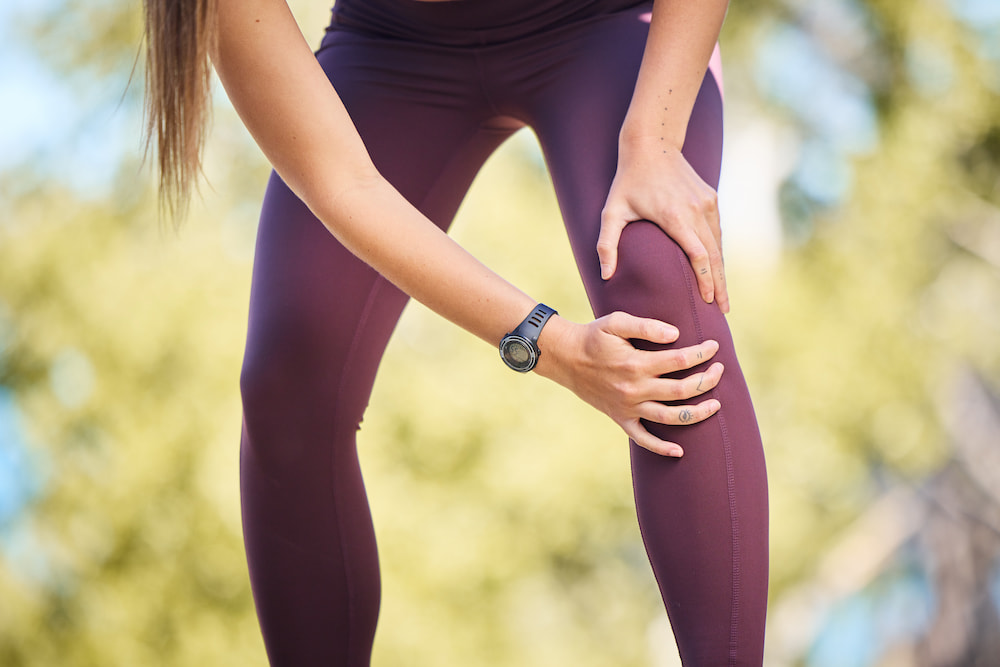
Knee rehab is progressed in stages so tolerance improves without increasing symptoms. Early on we adjust daily strain with small changes in stairs sitting and standing and we start exercises that help the knee move more comfortably. Next we gradually strengthen the quadriceps glutes and calf and train balance and stability so the knee feels more supported during walking. In the final stage we move into more functional drills such as deeper squats direction changes and a gradual return to running or jumping when that matches your goals.