
Hip osteoarthritis



Hip rehabilitation focuses on reducing pain and improving mobility and stability so you can walk use stairs and move comfortably in daily life at work and in sport. Physiotherapy is tailored to your symptoms and needs with an emphasis on proper loading strengthening the hip and core muscles and retraining movement to support a safe return to activity.
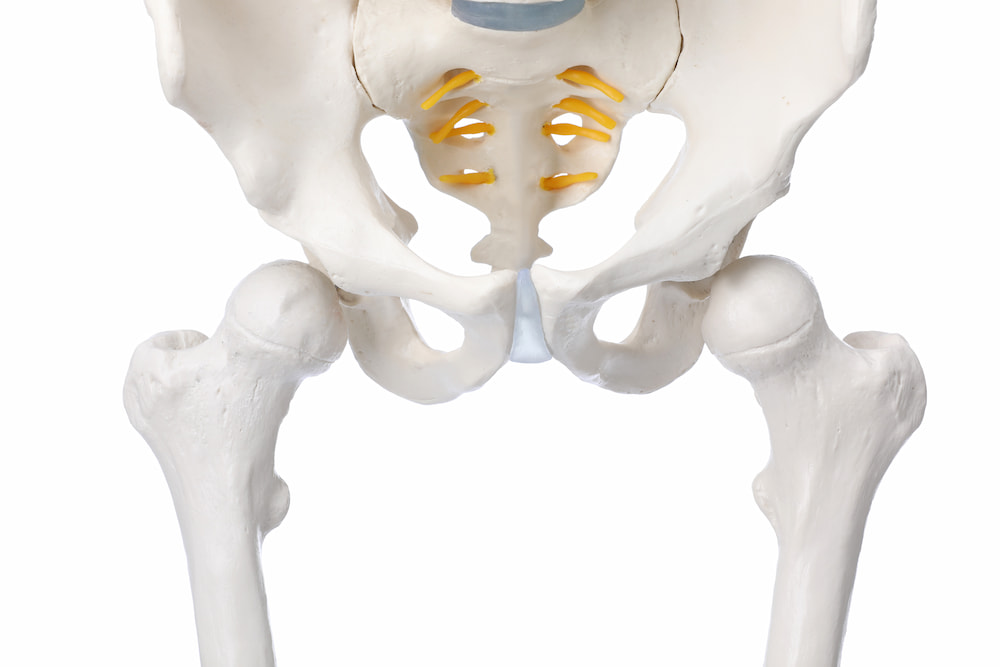
Hip pain can affect walking using stairs prolonged sitting and movements such as bending or turning. Symptoms are often felt in the groin on the side of the hip or toward the glute area and may come with stiffness or a sense of reduced stability. Complaints can be linked to overload reduced glute strength limited mobility or movement patterns that stress the area during training or daily life.
Physiotherapy starts with an assessment of mobility strength gait and function in tasks such as stairs sitting and lifting. A plan is then built to improve range of motion pelvic stability and progressively strengthen the hip and core muscles. Load management is also a key focus to reduce irritation and support a gradual return to walking training and sport specific movements with fewer flare ups.
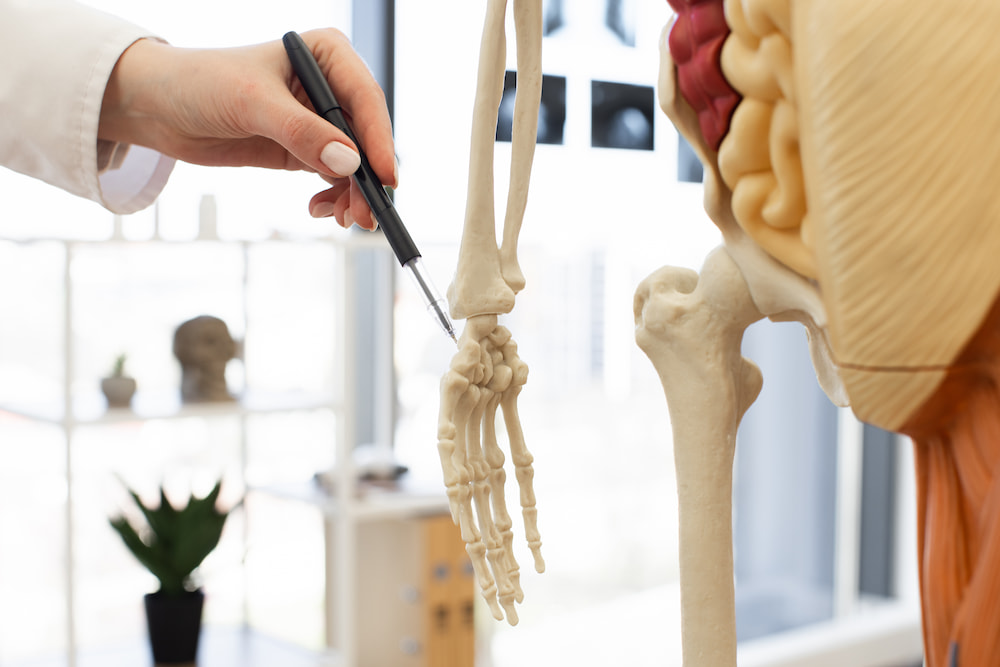
Hip rehabilitation is built in stages so you can progress without constant flare ups. Early on the focus is to reduce discomfort with small changes in daily movements and gentle exercises that keep the hip moving. Next we add strengthening to improve support and stability for walking and stairs then we move into more functional drills that match your needs such as standing tolerance weight transfer and direction changes. In the final stage you return gradually to training or sport with intensity increasing only when the hip responds well and without next day worsening.