
SLAP lesion

SLAP LESION

A SLAP lesion is an injury to the upper part of the shoulder labrum where the biceps tendon also attaches. The name stands for Superior Labrum Anterior to Posterior and describes a tear that extends from the front to the back of the superior labrum. It often appears after a fall onto the arm, a sudden pulling force, repeated overhead motion or in throwing sports and weight training. Common symptoms include deep shoulder pain, clicking, difficulty with overhead activity and a sense that the shoulder no longer moves with the same comfort or stability as before.

What a SLAP lesion is

A SLAP lesion usually presents as deep shoulder pain that may appear when you lift the arm overhead, throw, push or pull, hold weight in front of the body or lie on the affected side and many people also describe a click, catching sensation or discomfort at the front of the shoulder near the biceps, especially during overhead activity or repeated arm use; because the shoulder tries to protect itself it is common to unconsciously avoid certain angles, lose some range of motion, overwork the shoulder blade and neck or feel that the arm no longer has the same accuracy and endurance during work, training or simple daily tasks, yet in most cases the initial approach is conservative with temporary reduction of aggravating activities, physiotherapy and gradual retraining so shoulder control improves, the muscles around the shoulder blade and rotator cuff get stronger and you can progressively return to your activities with less pain and more confidence.
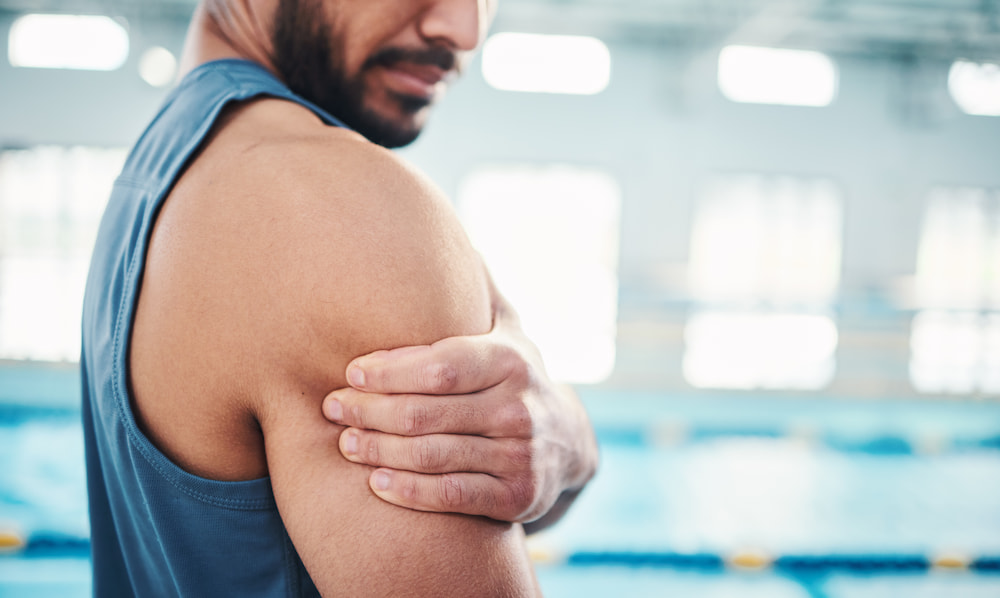
How rehabilitation is structured for a SLAP lesion

In practice rehabilitation is organised around what actually bothers you in daily life and sport. Early on activities that demand heavy overhead effort or strong pushing and pulling are usually reduced for a while and at the same time gentle movement is used so the shoulder does not stiffen and control of the joint is not lost. Then the focus shifts to the shoulder blade, rotator cuff and trunk muscles because these help the shoulder work more steadily so all the stress does not collect at the superior labrum and biceps attachment. As pain settles more functional exercises are added, first for daily use and later for more demanding tasks such as weights, throwing or repeated overhead work, always with the goal of avoiding strong same day or next day symptoms.

What exactly is a SLAP lesion?
It is an injury to the upper part of the shoulder labrum where the biceps tendon attaches. This can affect both comfort in movement and shoulder stability during overhead activity.
How can a SLAP lesion happen?
It may happen after a fall on the arm, a sudden pull, a shoulder dislocation or repeated overhead activity such as throwing or weight training and in some people it can also be related to more gradual wear over time.
What symptoms are most common?
The most common symptoms are deep shoulder pain, clicking or catching, difficulty with overhead movement, pain near the biceps and a feeling that the shoulder is less stable or less strong than before.
Is surgery always needed?
No. In most cases treatment starts conservatively with reducing aggravating activity, physiotherapy and graded return to function and surgery is considered mainly when symptoms persist or function stays significantly limited.
Can I keep training if I have a SLAP lesion?
Often yes with modifications, by temporarily avoiding exercises that strongly aggravate the shoulder such as heavy overhead pressing or forceful pulling while keeping tolerable exercises and gradually rebuilding control and tolerance.
Why does it bother me so much overhead?
Overhead movements demand more stability from the upper shoulder and the area where the biceps attaches to the labrum. When a SLAP lesion is present these positions often become more painful especially with repetition or load.
How does physiotherapy help in practical terms?
Physiotherapy helps you identify which movements need temporary adjustment, maintain shoulder mobility, improve shoulder blade control and strengthen the muscles that stabilise the joint so the shoulder works better in daily life and sport.