
Thoracic myofascial pain syndrome

THORACIC MYOFASCIAL PAIN SYNDROME

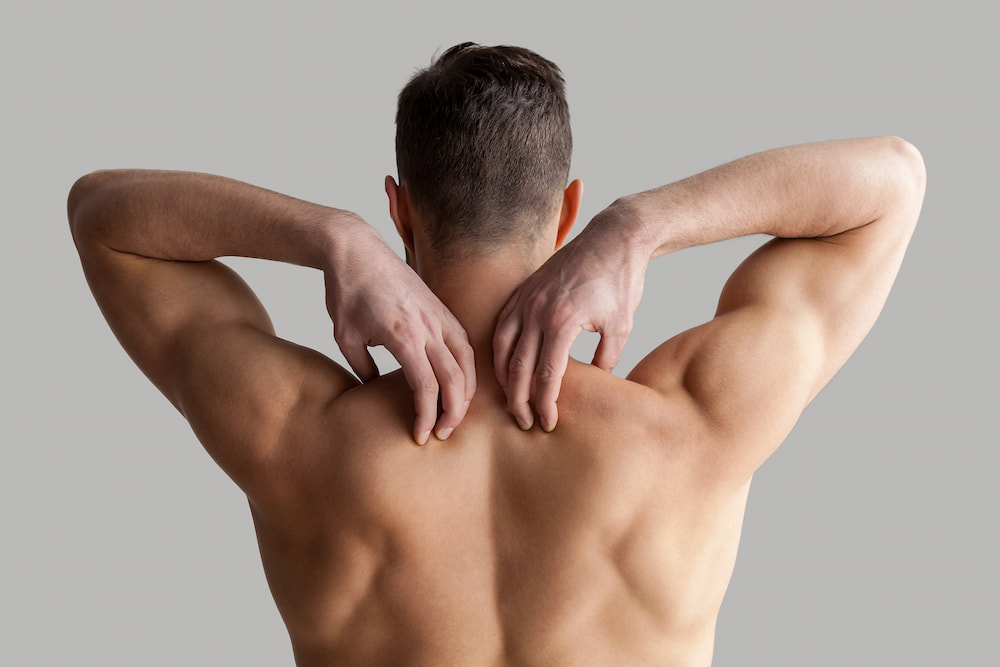
Thoracic myofascial pain syndrome is a type of muscle-related pain in the mid-back and around the shoulder blades that involves sensitive spots in muscles and their fascia called trigger points. When pressed, they can cause local pain and also referred pain felt elsewhere, which is why symptoms may feel like shoulder-blade pain or even chest-wall discomfort. It often shows up with prolonged sitting, repetitive tasks, stress or a sudden increase in physical load and may include stiffness, a “knot-like” sensation and restricted movement. A physiotherapy assessment helps identify contributors and build a plan focused on function and fewer flare-ups over time.

The impact of posture and prolonged sitting

In thoracic myofascial pain syndrome, symptoms typically come from mid-back and shoulder-girdle muscles that develop hypersensitive areas and taut bands within the muscle. Trigger points can reproduce your familiar pain when pressed and in many cases the discomfort is not purely local because it may refer to nearby regions, making the pattern feel confusing and persistent. Symptoms often worsen after prolonged desk work, driving, sustained forward-bent posture or repetitive one-sided upper-limb use. Stiffness through the thoracic spine, a pulling sensation around the shoulder blade and fatigue-related postural “collapse” can maintain the irritation cycle.

Physiotherapy rehabilitation is planned to reduce muscle sensitivity, improve thoracic mobility and restore scapular and postural control in daily life. Management is based on clinical assessment and a progressive movement and exercise plan and in some cases may also include techniques targeting trigger points. The goal is for you to work, move and train with less discomfort and a more predictable recovery path with fewer setbacks.

Better postural endurance

A helpful step with thoracic myofascial pain is mapping when it shows up during your day and what reliably triggers it. For some people it peaks after a certain number of hours at a desk, for others after driving or repeated one-sided lifting. Once these patterns are clear, small targeted changes in workstation setup, micro-breaks and movement frequency can reduce the build-up of tension before it turns into a flare-up. Alongside that, we guide you through simple mid-back “reset” movements and gradual strengthening that supports posture, so relief does not rely only on passive techniques but on functional capacity that lasts.

How do I know it is myofascial and not “something in my spine”?
Myofascial pain is often reproduced by pressing specific tender points and it can refer pain to a familiar area, with posture and movement strongly influencing symptoms. Assessment helps rule out other causes and target the right plan.
Why do I feel a “knot” near my shoulder blade?
This often matches a trigger point, a hypersensitive spot within a muscle that can drive pain and stiffness.
Why does my pain spread toward my shoulder or even the front?
Trigger points can cause referred pain, meaning pain felt away from the actual source.
Why is it worse after long hours of sitting?
Prolonged posture continuously loads thoracic and shoulder-girdle muscles, increasing tension and sensitivity.
Is it normal to feel stiff in the morning or after being still?
Yes, myofascial pain can include stiffness that improves with gentle movement, especially after long static periods.
Do I need to stop exercising completely?
Usually not. Load adjustment and choosing options that do not flare symptoms while gradually rebuilding capacity is often the best route.
Can it feel like chest pain Should I worry?
Musculoskeletal issues can cause chest-wall pain, but chest pain should be taken seriously because it is not always easy to distinguish from other causes. If you have symptoms like shortness of breath, dizziness, sweating or atypical pain, seek urgent medical assessment.
What does physiotherapy usually include?
It typically includes assessment, targeted techniques for muscle pain and progressive exercise focused on movement and function.