

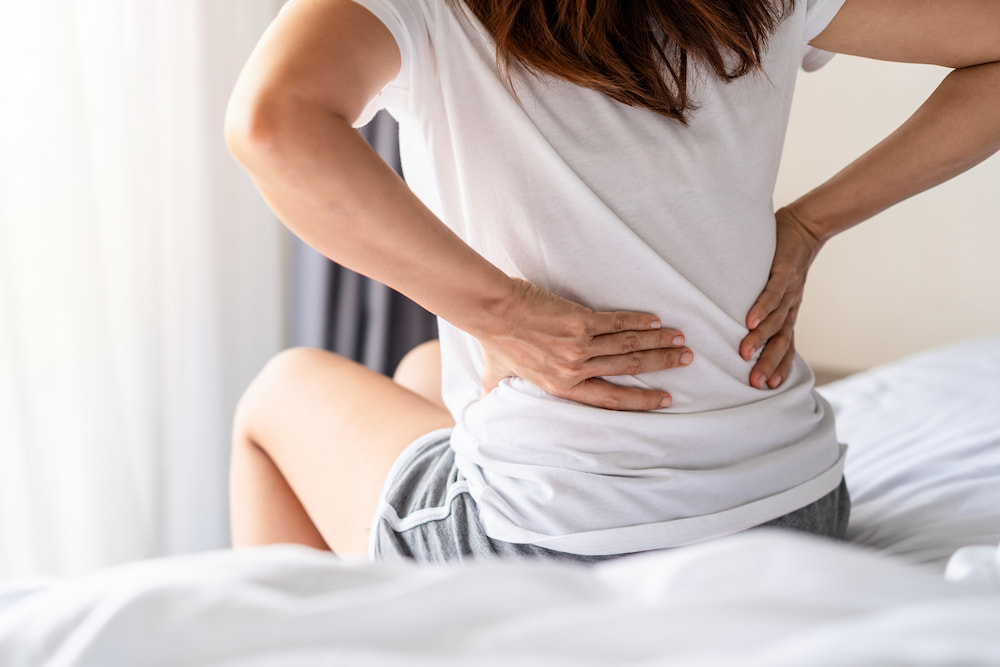
Low back pain – Sciatica pain

LOW BACK PAIN - SCIATICA PAIN

Low back pain is pain in the lumbar area that may appear after a demanding day, a bend, long sitting or sometimes with no clear trigger and most adults will experience it at some point in their lives.
Sciatica is when back pain is combined with pain that travels down the leg along the sciatic nerve often with burning pain, tingling or numbness into the buttock, calf or foot.
Rehabilitation focuses on helping you understand what these symptoms mean for daily life, finding the right balance between movement and protection, strengthening the muscles that support your back and legs and planning everyday tasks so you feel safer with walking, stairs, work and exercise.

How back and leg pain shows up

Low back pain and sciatica may present as pain mainly in the lower back or as pain that starts in the back or buttock and travels down one leg sometimes to the calf or foot often with burning sensations, tingling or numbness; pain can increase after long sitting, when you stand up from a chair, when you bend to put on shoes or when you walk for a long time and in some people it feels worse with coughing or sneezing because pressure around the lumbar nerves briefly rises. To protect the back and leg the body often changes how you move so you might bend less, avoid trunk rotation or take shorter steps which can be useful at first yet over time may overload the hips, abdominal muscles or the other leg while a structured rehab plan aims to find an activity level that does not spike pain, keep the back moving with gentle flexion, extension and rotation, strengthen the trunk, glutes and legs and gradually add more demanding tasks such as stairs, light jogging or sport so that over time fear of movement decreases and you feel able to handle more of your daily load without every flare up stopping the activities that matter to you.

How physiotherapy can help with low back pain – sciatica

A well planned physiotherapy program does not only focus on pain relief, it also helps you know what you can safely do each day. Together we identify which movements and positions aggravate your symptoms, how to adapt them in the short term and how to reintroduce them gradually without big flare ups. Through back mobility work, trunk and leg strengthening and balance exercises you learn to trust your back and leg again and education is a key part so you understand what pain means, when it is expected and when a medical review is important.

Step by step the plan is tailored to your goals whether that is getting through a full desk day more comfortably or returning to walking, running or sport. We add more functional drills that resemble your work and daily movements so the progress you feel in the clinic transfers into real life and you no longer feel that every increase in pain automatically means you must stop everything you enjoy.

What is the difference between low back pain and sciatica?
Low back pain is mainly pain in the lumbar area while sciatica is back pain plus pain that travels down the leg along the sciatic nerve sometimes with tingling or numbness.
Is sciatica always something serious?
In most cases sciatica symptoms improve over time with movement and guidance without needing invasive treatment although very strong pain or worrying symptoms should be discussed with your doctor.
Is rest better or should I keep moving?
A short period of easing off can help yet long term rest often makes the back stiffer and more sensitive so we usually suggest gentle movement within comfort and gradual increases.
Can exercise make my back or sciatica worse?
If exercise is too intense for your current stage it can flare symptoms but when it is matched to your capacity it usually improves strength and tolerance and lowers future flare up risk.
How often should I do exercises for my back?
A short routine on most days usually works better than rare intense workouts so your back gradually adapts and the supporting muscles stay active.
What can I do by myself day to day to help my back and leg?
You can avoid very long periods in one position, take small movement breaks, walk within a distance you tolerate, perform your exercises regularly and increase activity little by little instead of doing very little for days then suddenly doing a lot at once.
Does losing weight help low back pain?
Gradual weight loss can lessen strain on the spine and lower limbs and is often linked with better tolerance for walking and daily tasks as long as it is done with a gentle pace and safe exercise.
Can sciatica come and go over time?
Yes it can return in episodes over the years although with good fitness regular exercise and guidance on flare up management these episodes often become shorter and less intense.