

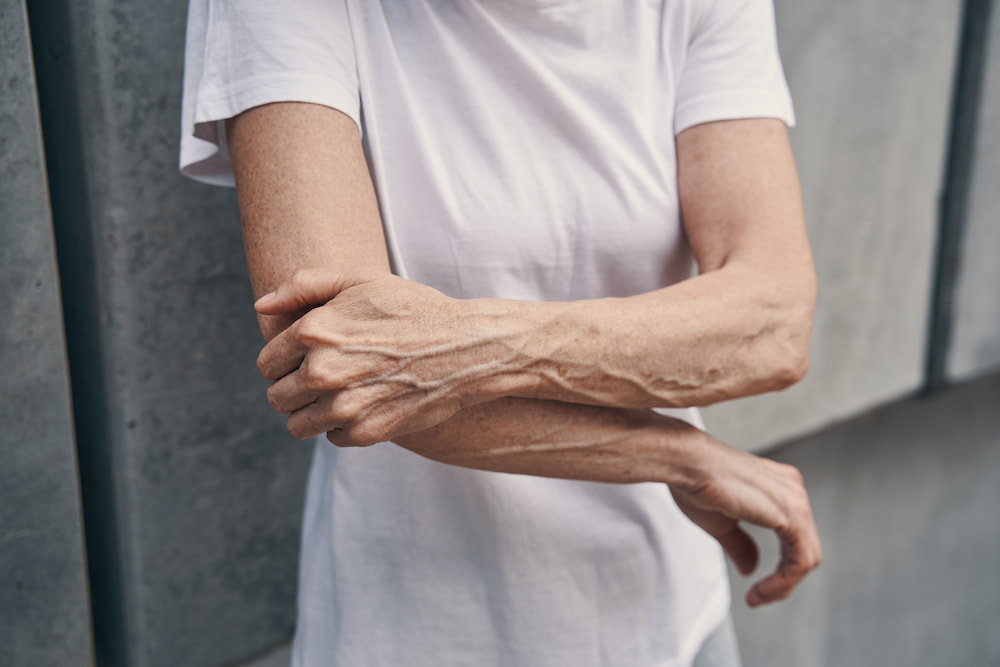
Tennis elbow

TENNIS ELBOW

Lateral epicondylitis, also known as tennis elbow, is irritation on the outside of the elbow where tendons involved in gripping and wrist motion attach. It affects not only athletes but also people who use a mouse, tools, do manual work or perform repetitive hand and wrist actions.
Rehabilitation aims to reduce pain in daily tasks, rebuild forearm strength and endurance and guide a gradual return to work, training or sport without the elbow flaring again.

Outside elbow pain

Tennis elbow typically feels like pain on the outside of the elbow that can spread into the forearm. It often hurts when you grip, lift with the palm facing down, turn a key, open a jar or carry a bag. It can also flare with keyboard and mouse work, especially with long continuous use without breaks or when the wrist stays in an awkward position.
Over time the forearm may fatigue sooner, grip can feel less reliable and you may start avoiding certain actions without noticing. This can lead to compensations at the shoulder or wrist and discomfort in other areas. Rehabilitation focuses on smart activity adjustment, gradual strength and endurance rebuilding and improved technique for gripping and daily tasks so the elbow settles and function returns.
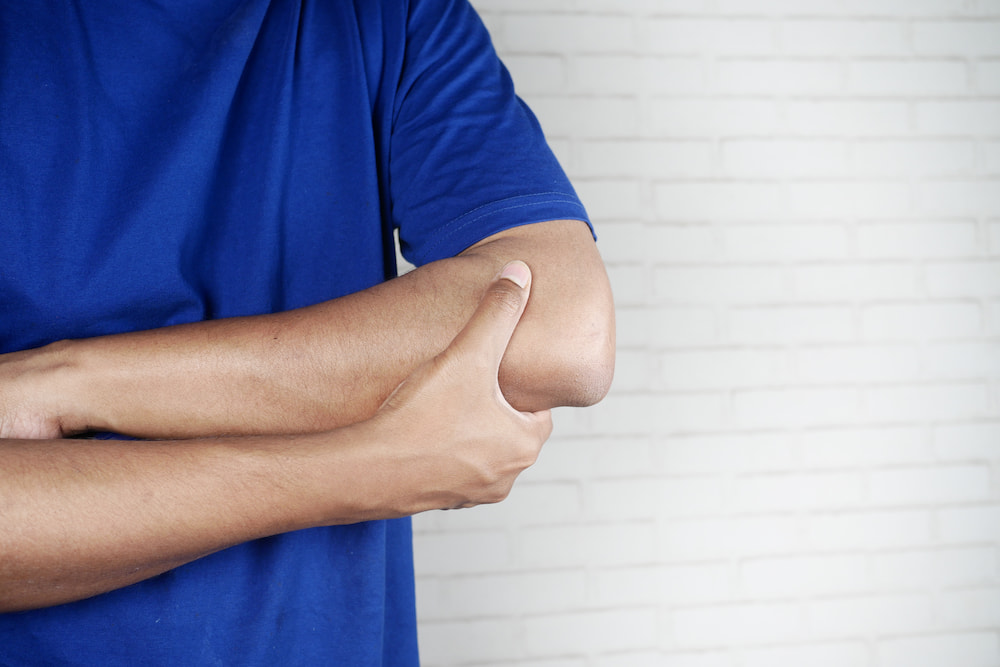
Grip and endurance check

In physiotherapy we assess grip, forearm endurance and how you use the wrist and shoulder in the tasks that bother you. Then we build a plan that progressively develops tendon tolerance, starting with gentler strength work and moving toward actions that match your work or training demands.
We also work on grip technique, wrist position and practical ways to lift or hold objects with better control. This reduces stress on the irritated area and makes daily tasks more comfortable. Progress is step by step aiming to build capacity without a strong next day flare-up.

What is tennis elbow?
It is irritation of tendons on the outside of the elbow linked to gripping and wrist actions, which is why pain often appears during hand tasks.
Why does it hurt when I grip?
Gripping loads the tendons attaching at the outer elbow. When irritated, strong or sustained gripping can increase symptoms.
Which movements commonly aggravate it?
Strong gripping, lifting with the palm down, twisting tasks like keys or jar lids and long repetitive bouts without breaks.
Should I rest completely?
It helps to reduce strong triggers, but complete rest can lower tolerance. Controlled movement and the right exercises rebuild capacity.
Can I keep lifting weights?
Often yes with modifications like grip changes, lower loads and better technique. Progress should be gradual to avoid next day flare-ups.
Why does my forearm fatigue quickly?
When the tendon is irritated, the body guards and redistributes effort, so the forearm tires faster. Progressive strengthening usually improves endurance.
How do I know my exercises are right?
We want tolerable discomfort that settles within the day, not pain that lingers and makes you worse the next day. Steady improvement in grip and daily tasks is a good sign.
Can my wrist or shoulder hurt too?
Yes, compensations can overload other areas. With technique, ergonomics and strengthening these secondary symptoms often reduce.