

Plantar Fasciitis

PLANTAR FASCIITIS

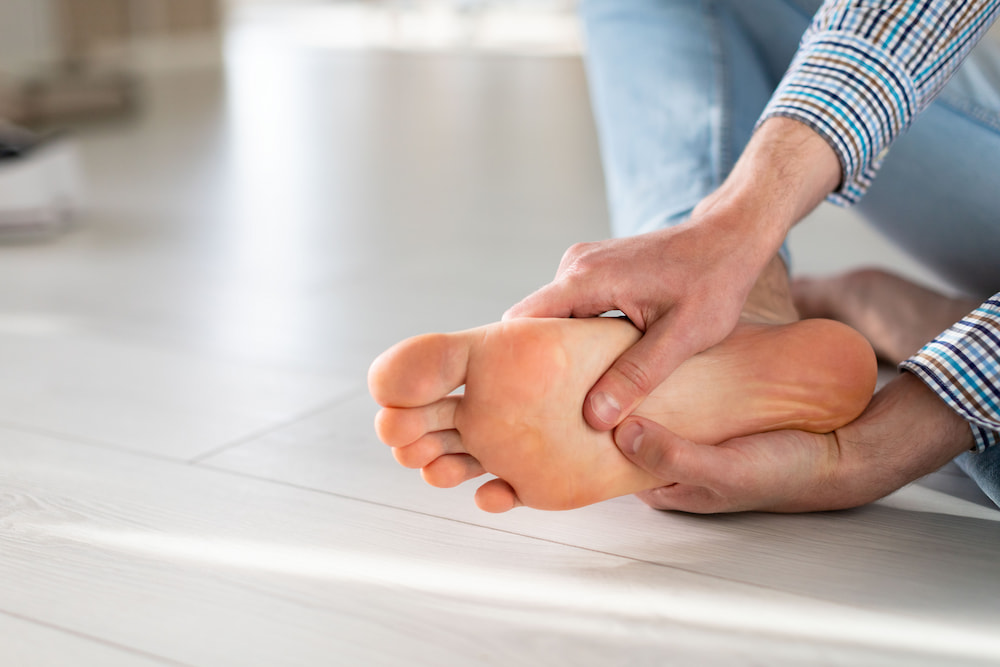
Plantar fasciitis is irritation of the plantar fascia, the tissue that supports the foot arch and works during walking. It often feels like pain under the heel or along the inner side of the foot, with a common pattern of pain during the first steps in the morning or after long sitting. It can appear after increasing walking or running, long hours on your feet, changing footwear or when the foot gets overloaded and does not absorb stress well.
Rehabilitation aims to reduce pain, improve foot and calf tolerance and guide a gradual return to walking and activity without the heel flaring again.

Activity pacing

Plantar fasciitis often feels like heel pain that is worse during the first steps in the morning and then eases as you move. It can also flare when standing for long periods, getting up after sitting or after walking on hard surfaces. Many people unconsciously change their gait to avoid the sore spot which can overload the calf, knee or hip.
Long term improvement usually needs the right mix of activity pacing, exercises that build tolerance in the foot and calf and practical daily adjustments like footwear, breaks and walking technique. In physiotherapy we organize these elements so progress happens without setbacks.
Better walking technique

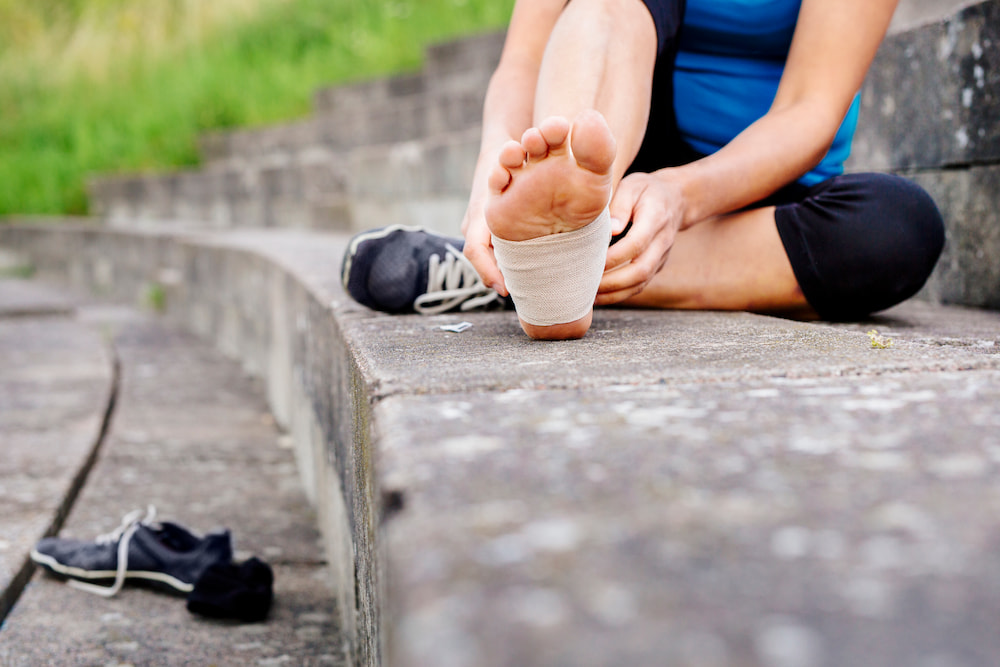
In physiotherapy we start by assessing how you step, ankle mobility and calf and foot tolerance. The goal is to find what irritates the area and how to change it without stopping your daily life.
Then we build a plan that improves foot and calf tolerance, refines step control and gradually increases your ability to stand and walk without the heel flaring. We also provide practical guidance on footwear, breaks, a morning warm up before first steps and a safe return to walking or running when the timing is right.

What is plantar fasciitis?
It is irritation of the tissue that supports the foot arch and connects toward the heel, which is why pain is often felt under the heel or along the inner foot.
Why is it worse with the first steps in the morning?
After hours of stillness the tissue feels tighter, so the first steps irritate it more. Symptoms often ease after you move for a bit.
How is it different from general heel pain?
It often follows a pattern: sharp first-step pain and symptoms that build after long walking or standing. If pain changes suddenly or appears even at full rest it should be checked.
Is complete rest better?
It usually helps to temporarily reduce what irritates it, but not to stop moving completely. Gentle movement in the right dose keeps the foot more functional.
Does walking help or worsen it?
It depends on duration and pace. Shorter walks more often are usually better than one long walk that flares the heel.
How long does it usually take to improve?
It varies with how long it has been present and how consistent the plan is. Improvement is usually gradual over weeks.
What if it hurts even on short walks at home?
Then reducing standing time, taking more breaks and using a gentler plan often helps until it settles. If it persists an assessment is recommended.
How can I reduce the chance it comes back?
With a maintenance plan for foot and calf, gradual activity increases, suitable footwear and better step control. Consistency in small doses is usually the key.