

Periostitis

PERIOSTITIS

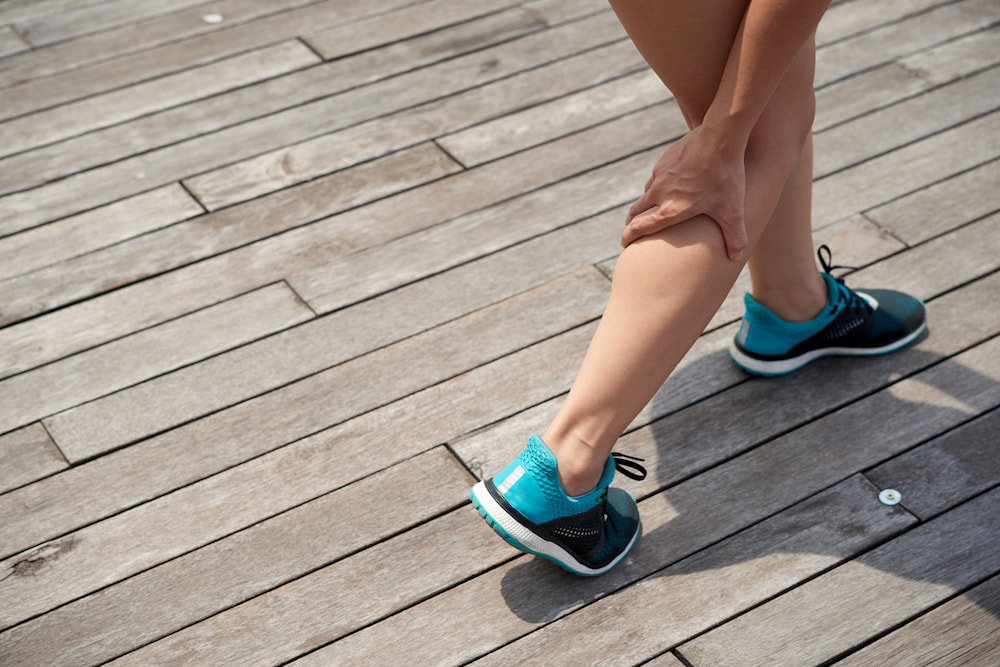
Shin periostitis is irritation around the tibia area that often shows up when walking or running increases too quickly, when the surface changes, when training sessions stack up or when the body does not recover enough. It is usually felt as pain along the shin, often on the inner side and it can make you slow down or alter your gait.
Rehabilitation aims to settle irritation while keeping you active with safe options, improve tolerance in the calf, foot and hip and guide a gradual return to walking or running with better mechanics to reduce the chance of recurrence.

How shin periostitis starts

Shin periostitis often starts as pain along a band of the shin that shows up at the start or during activity and at first settles with rest. Over time it may appear earlier, linger longer after and make you unconsciously shorten your stride or change how you step to protect the area. Many people notice tenderness to touch, more discomfort on hills, stairs or hard surfaces and quicker calf fatigue than before.
When gait changes, other areas can get overloaded such as the foot, knee, hip or lower back. That is why the path is not only reducing mileage but organizing weekly stress better, improving strength and control and returning gradually at a pace that does not cause a next day flare-up. If pain appears even at rest, spikes suddenly or makes short walks difficult you should seek medical assessment.
A practical rehab plan

Early on we temporarily reduce running or steep hills and keep you moving with gentler options so fitness is not lost.
By using shockwave therapy, we create a controlled inflammatory response in the area so that blood flow is stimulated from the beginning and the pain is relieved.
At the same time we build strength and endurance in the calf and foot, improve hip control and refine step mechanics because repeated stress on the shin often comes from there.
Then we use a clear return plan. You start with comfortable walking, progress to short easy intervals and increase only if the area stays calm the same day and the next day. We also adjust surface, weekly frequency and recovery so progress happens without sudden spikes.

What is shin periostitis in simple terms?
It is irritation around the shin that builds when the area takes repeated stress without enough recovery. It often follows changes in training, pace or surface.
Do I need to stop exercising completely?
Usually you reduce what irritates the area rather than becoming inactive. You keep safe movement options and build strength and control alongside.
Why does hard ground bother me more?
Hard surfaces change how stress is absorbed and the shin may take more load. Surface choice and pace make a big difference.
What if stairs hurt?
Slow down, use the handrail and avoid repeated stair bouts for a short period. Strength and step control work usually make stairs more tolerable.
Is it normal for the calf to feel heavy?
Yes, calf fatigue is common when gait changes or activity volume increases. With proper endurance work it often improves.
What role does the hip play in shin pain?
The hip influences leg alignment during steps. When control is low more stress can shift down to the shin.
What if it hurts even during normal walking?
Reduce distances temporarily, slow the pace and get assessed so the plan is set correctly. It is important not to keep pushing through strong pain.
How can I prevent it in the future?
Gradual activity increases, surface variety, strengthening of the calf, foot and hip and a realistic weekly plan with recovery. These steps greatly reduce recurrence risk.