
Muscle strain

MUSCLE STRAIN

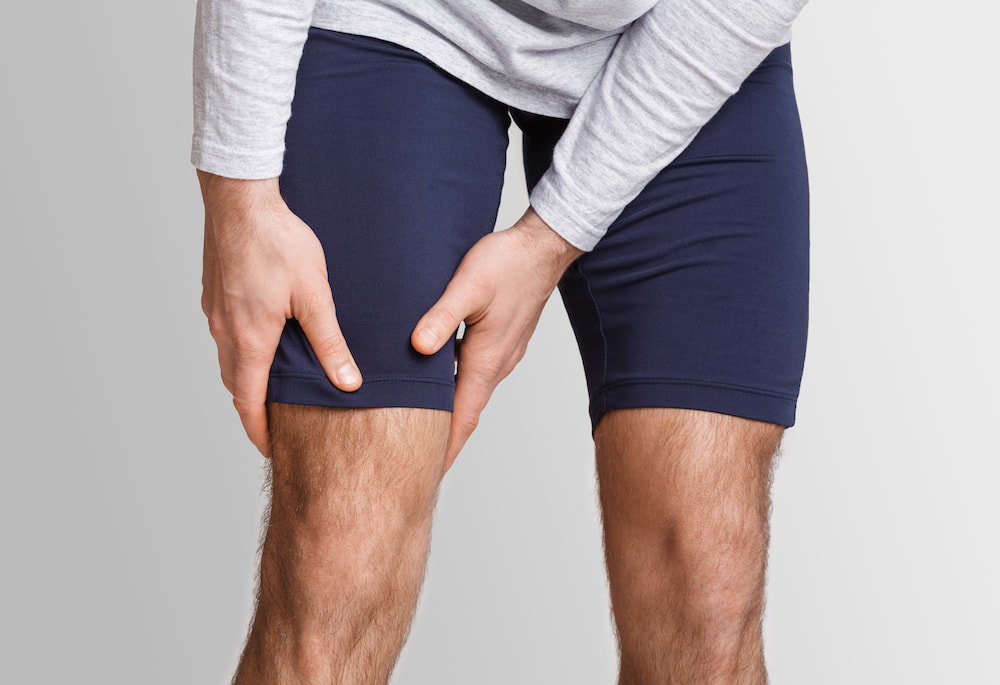
A muscle strain is an injury to muscle tissue that often happens during high effort, sudden acceleration or deceleration, fatigue or a rapid increase in training. It is common in the thigh, calf, groin and hamstrings but it can affect any muscle.
Rehabilitation aims to reduce pain, restore movement, rebuild strength and control and guide a gradual return to walking, work and training without the area flaring again.

Sudden pain and pulling

A muscle strain often starts as sudden localized pain with a pulling or sharp sensation. It may be followed by tenderness to touch, swelling or bruising and reduced comfort when using the muscle. The area can feel tight and movement may feel limited, especially in the first days.
In daily life a strain can make walking, stairs, standing up from a chair or faster steps harder. The body often compensates with a shorter stride or altered posture, which can fatigue the knee, hip or lower back.
Improvement usually comes when activity is paced well, movement returns gradually and the muscle rebuilds tolerance. Rehabilitation is not about avoiding all movement but about finding the right dose of movement and exercise so progress happens without a strong next day flare-up.
Safer progress

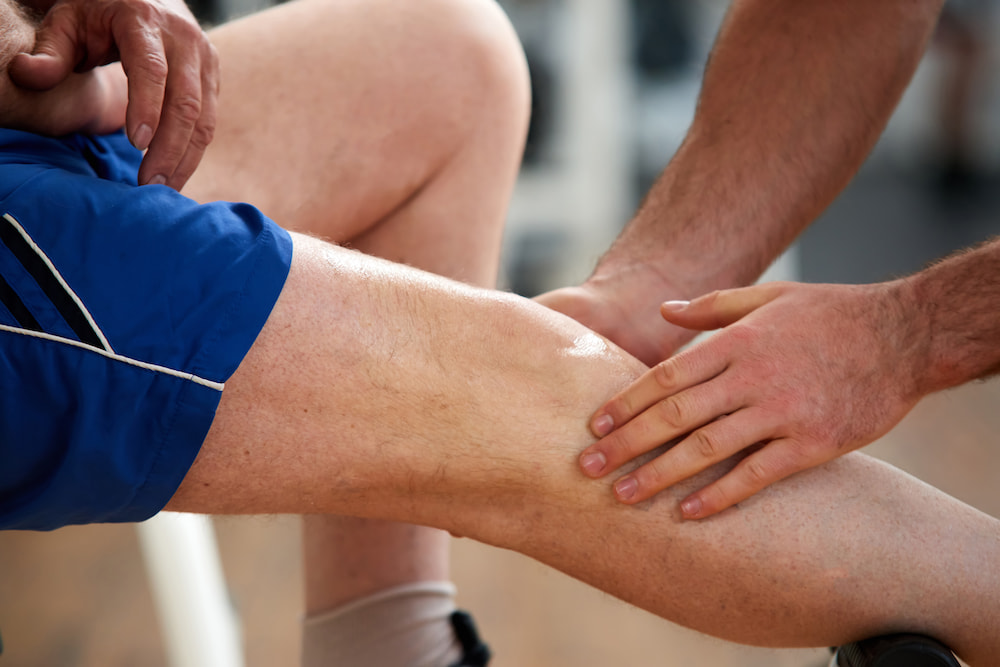
In the first days the priority is helping you move more comfortably through the day and reducing the tight guarded feeling without re-irritating the area. We use safe movement strategies and gentle activation so the muscle starts working again with control, while also addressing any changes in walking or posture that show up because of pain.
Next we gradually increase challenge to rebuild strength and endurance and return to functional tasks such as stairs, direction changes and later a faster pace when it is safe. Finally we set a staged return to training or sport with clear criteria so progress continues without setbacks and with a lower risk of recurrence.

How do I tell it is not just soreness?
It is often more localized, tender in one spot and it limits using the muscle like before. If it changes your walking or limits basic tasks, assessment is useful.
Why did I feel a sudden pull?
It often happens during high demand moments like sudden pace changes or fatigue. The muscle takes a sharp load and symptoms appear.
Is bruising normal?
It can happen, especially with more significant strains. Bruising alone does not define recovery, movement quality and symptom settling do.
What does good rehab pacing mean?
Gradual progress without big ups and downs. Symptoms should settle after activity and not leave you noticeably worse the next day.
When should I start exercises?
You often start early with gentle movement and safe activation. Intensity increases gradually as tolerance improves.
Is mild pain during exercise a bad sign?
Mild discomfort can be acceptable if it does not escalate and settles within the day. We avoid pain that lingers and limits you the next day.
How do I know I am heading toward a setback?
Pain starts earlier, lingers longer or you begin changing your gait again. Then the plan should be adjusted promptly.
Why does it feel worse when I cool down?
With less movement the muscle can tighten, so the first effort feels harder. A brief warm up and a calmer start often help.