

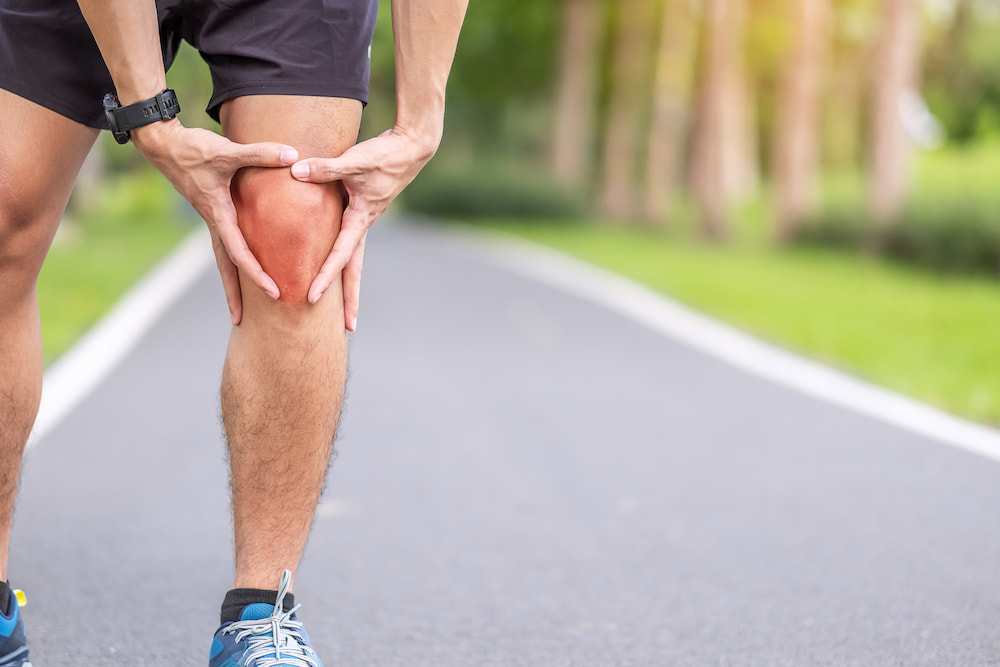
Jumpers knee

JUMPERS KNEE

Jumper’s knee is pain at the front of the knee linked to the tendon just below the kneecap. It often appears in people who jump, sprint, change direction quickly or do a lot of squats. It is not limited to high level athletes, it can also show up with daily activity when load increases too quickly or recovery is not enough.
Rehabilitation aims to settle irritation, improve tendon tolerance, strengthen the muscles that support the knee and guide a gradual return to activity without flare-ups.

Front knee pain

Jumper’s knee typically causes front knee pain or pain just below the kneecap. Many people feel it only during jumping or high intensity running at first, but if the same load continues it can show up on stairs, squats, standing up from a chair or even during normal walking after a demanding day. A common pattern is feeling the area warm up or become more sensitive as activity continues.
As the body protects the area, technique may change. You may reduce squat depth, avoid hard braking or alter how you land from jumps. This can lower quad and glute strength and make the knee fatigue sooner. That is why the best plan includes activity pacing, progressive strengthening and gradual re-training of jumping and direction changes so capacity increases without flare-ups.
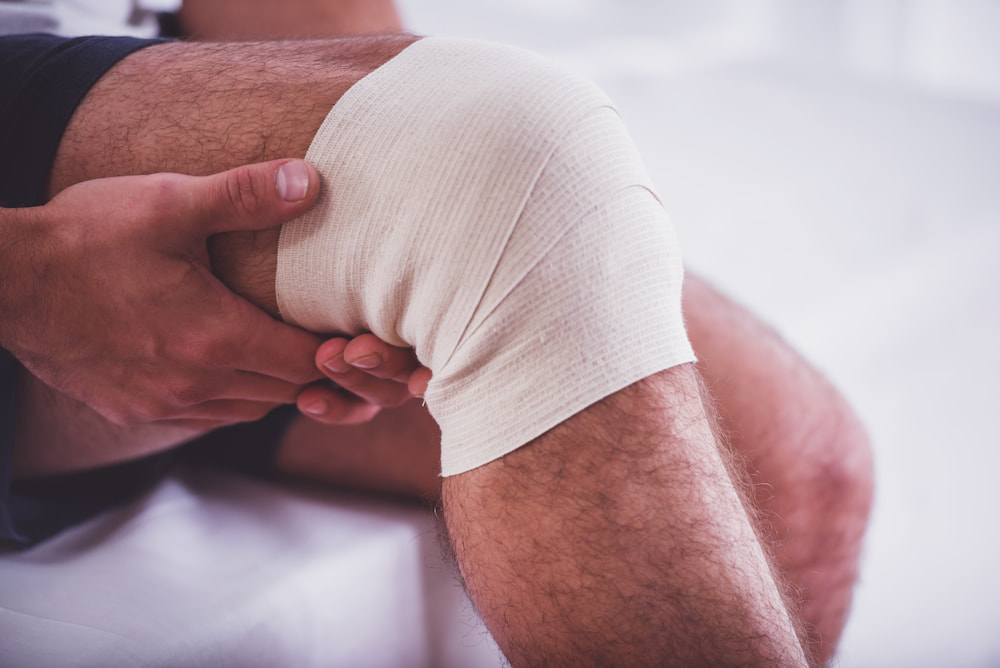
How tendon tolerance is built

Early on jumping volume, sprinting and deep squats are temporarily adjusted so irritation settles and you can keep moving without strong discomfort. At the same time we build strength in the quads, hip and calf with a focus on control and good execution.
Next tendon tolerance is progressed with more challenging work and a staged return to jumping begins. You move from gentle landings to more dynamic drills with clear steps, progressing only if the knee stays calm the same day and the next day.

What is jumper’s knee?
It is irritation and pain linked to the tendon below the kneecap, often aggravated by jumping, sprinting and squatting.
Why does it hurt more with jumping?
Jumping rapidly increases tendon demand. If tolerance is low or load rose too fast, pain can be stronger.
Do I need to stop all squats?
You usually need temporary modification rather than total avoidance. Depth, volume or load is adjusted and progressed gradually.
Should I rest completely?
Complete rest can reduce tolerance. It often helps to reduce flare triggers and keep controlled movement with appropriate strengthening.
How do I know I’m progressing well?
Daily tasks feel easier, you can gradually do more without a strong next day flare and the area becomes less sensitive.
Why does the knee feel warmer as I continue?
It can be a sign the tendon is getting irritated as load builds. Pacing and breaks help keep symptoms manageable.
What if it hurts after training?
Reduce intensity or volume temporarily, improve breaks and resume at a slightly easier level to settle symptoms without losing consistency.