
Iliotibial band syndrome

ILIOTIBIAL BAND SYNDROME

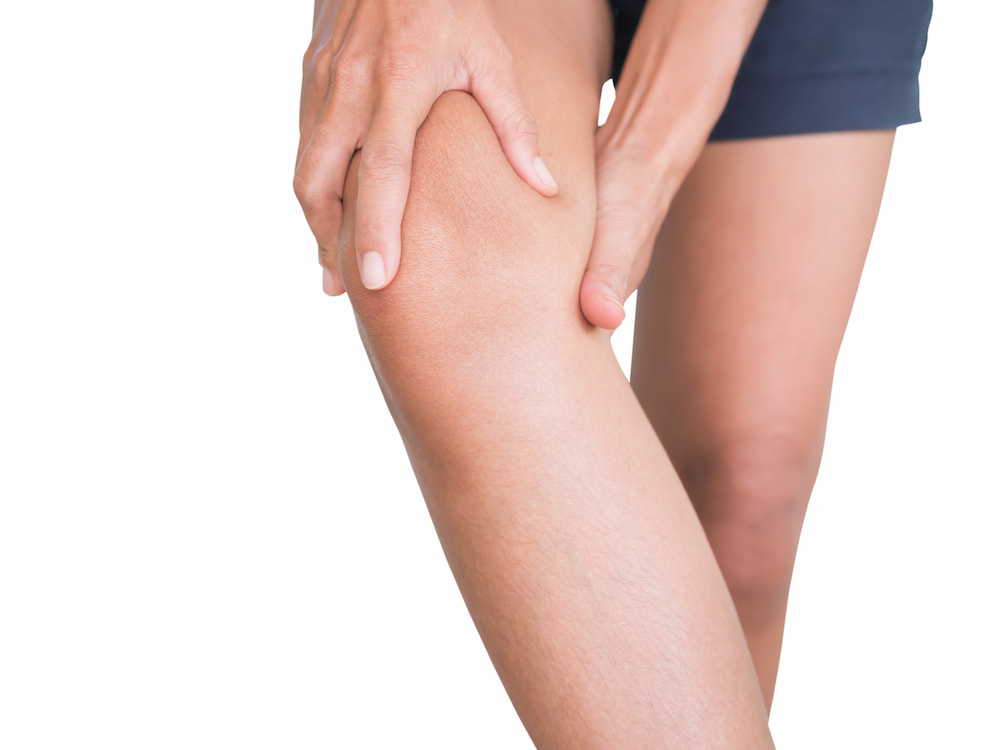
Iliotibial band syndrome is irritation on the outside of the knee or thigh that often appears with repetitive load, most commonly in running, long walks or cycling. Many people describe pain that starts during activity and builds as they continue, often worse on downhills or stairs.
Rehabilitation aims to settle irritation, improve hip and knee control and support a gradual return to training without the outside knee flaring again.

Common symptoms

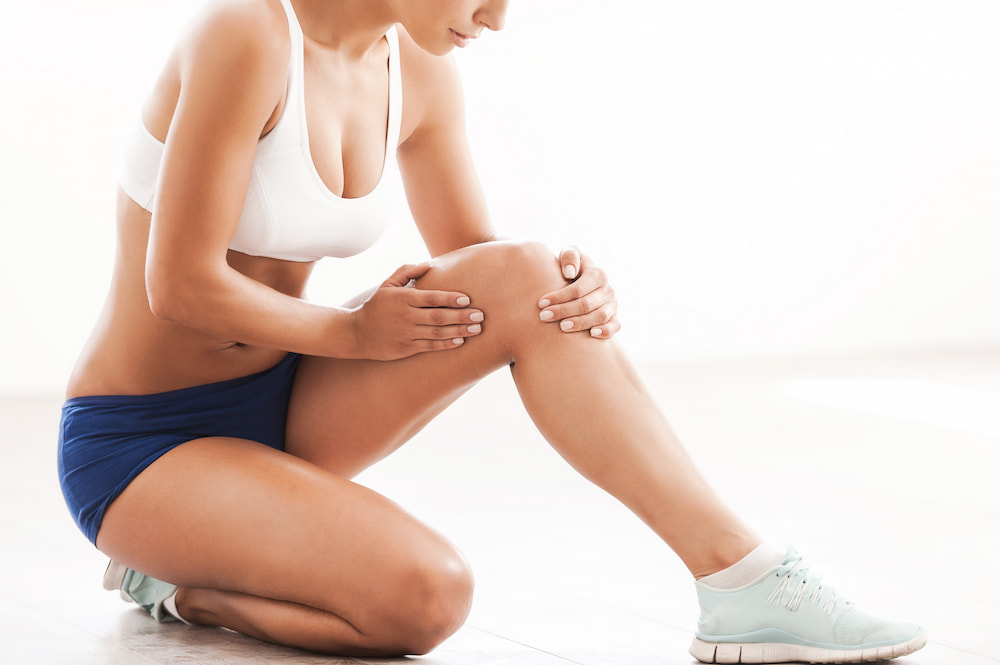
Iliotibial band syndrome often causes pain on the outside of the knee, sometimes higher up along the thigh. It may start after a few minutes of running or cycling, build with pace or duration and force you to stop. Many people describe a burning or pulling sensation on the outer knee, especially on downhills, stairs or uneven terrain.
Because the body tries to protect the area, gait may change, stride can shorten or the pelvis may drop to one side. This can overload the glutes, lower back or calf and make symptoms more persistent. That is why the solution is not only reducing running. The plan usually includes smarter pacing, strengthening the muscles that control the hip and improving walking or running technique so the knee tracks more steadily.
Progress at a steady pace

Early on we temporarily adjust activity to calm irritation, for example by reducing duration, changing surfaces or using lower impact alternatives when needed. At the same time we build strength and control in the glutes and hip, because reduced stability there often increases stress at the knee.
Next we add more targeted technique work, focusing on step control, pacing and alignment so the knee tracks more steadily. Return to running is staged, starting with walking, then short easy run intervals and progressing only if the area stays calm the same day and the next day.

Why is it worse on downhills?
Downhills increase control demands at the knee and can raise irritation faster. With pacing and technique changes it often improves.
Do I need to stop running completely?
You often need temporary adjustment rather than complete stoppage. The goal is calming irritation and staged return.
Can cycling make it worse?
It can for some people if it triggers symptoms. Adjusting duration and intensity or using alternatives often helps.
Does it hurt with walking too?
It can, especially if the area is already irritated. Adjusting distance and pace often helps.
How do I know the exercises are right?
We aim for tolerable discomfort that settles, not pain that lingers into the next day. Steady gains in tolerance are a good sign.
What should I do if it flares after a session?
Reduce duration or intensity temporarily, add breaks and resume at a slightly easier level to settle symptoms without losing consistency.
Can footwear be involved?
It can influence symptoms, especially after recent changes, but control and tolerance work are usually needed too.