

BURSITIS

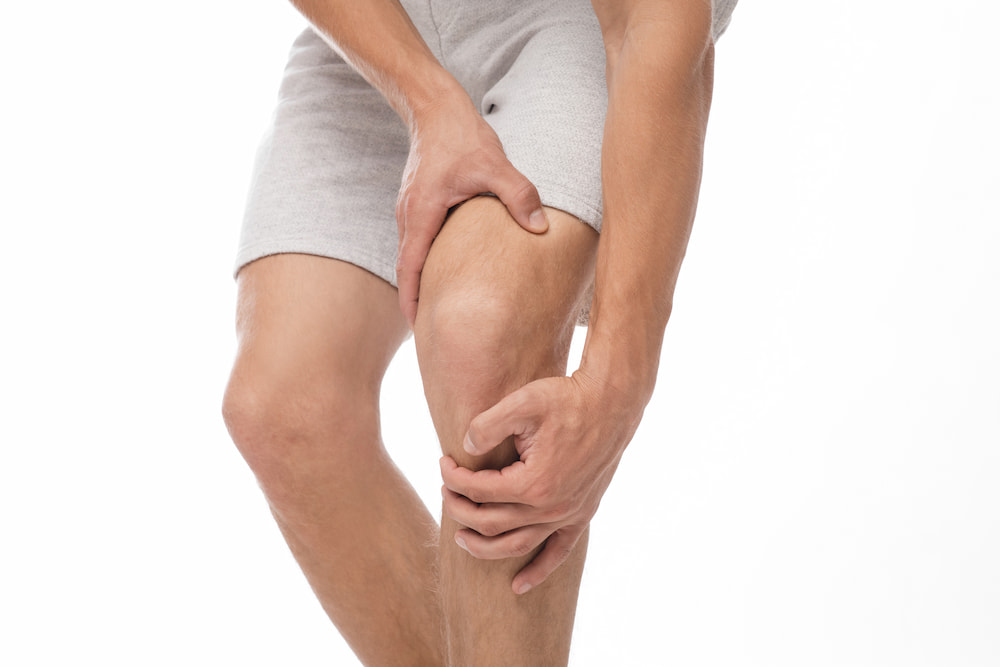
Bursitis is irritation of a small cushioning sac near joints that helps tissues glide smoothly. When it becomes irritated you may feel pain in a specific spot, tenderness to touch and difficulty with movements that used to feel easy. It is often seen in the shoulder, hip, elbow or knee especially with repetitive motion, prolonged pressure on the same area or a sudden increase in activity.
Rehabilitation aims to calm irritation, restore comfortable movement and build tolerance so daily life feels easier without the area flaring again. This is done with smart activity pacing, practical movement adjustments and gradual strengthening for better stability.

Bursitis symptoms

Bursitis often feels like localized pain in one spot that worsens with pressure on the area, with a specific movement or after staying in the same position for too long. You may struggle to lift the arm, lie on the painful side, walk for longer periods or use stairs depending on where it is. Many people notice a guarded feeling and small compensations to avoid discomfort which can fatigue other areas like the neck, low back or glutes.
If the same stress continues pain may start earlier during activity and linger longer after. This does not mean you must stop all movement. It often helps to temporarily reduce the specific triggers, pace the day with breaks and start gradual strengthening of the muscles that support the area. This improves stability and spreads stress more evenly so daily life becomes easier.
Practical changes that often help quickly

Small movement changes can bring meaningful relief. If sleep is uncomfortable, changing sides, supporting the arm or leg with a pillow and avoiding direct pressure on the spot can help. If work triggers symptoms, breaking time into smaller blocks and taking brief movement breaks often works better than holding one posture for long periods.
It also helps to temporarily reduce the specific movements that trigger pain and replace them with more comfortable options until the area settles. Gentle mobility work and gradual strengthening of the surrounding muscles usually make movement smoother so you return to activities with more confidence.

What is a common reason it starts?
It often starts after a sudden activity increase, repeated movements or prolonged pressure on the same spot. Technique and posture can also contribute.
How is it different from tendinitis?
They can feel similar, but bursitis often hurts more with direct pressure and certain positions. Tendinitis often feels more painful when the tendon is actively loaded. Assessment helps clarify.
Is it normal to feel worse at night?
Yes, especially if you lie on the area or stay still for a long time. Position changes and pillow support often help.
What does good activity pacing mean?
Doing enough to stay functional, but not so much that you feel noticeably worse the next day. Steady progress is better than sudden spikes.
Are gentle mobility exercises useful?
Yes, they help keep the joint comfortable and reduce tightness. The key is staying within comfortable limits and avoiding a pain increase afterward.
Can swelling happen?
Sometimes yes, especially with repeated stress or pressure. If swelling is strong with redness or warmth you should seek medical assessment.
What if pain spreads to other areas?
This often means compensations are happening. Improving technique and strength reduces the faulty pattern and takes stress off areas like the back or neck.