

Patellar tendon rupture

PATELLAR TENDON RUPTURE

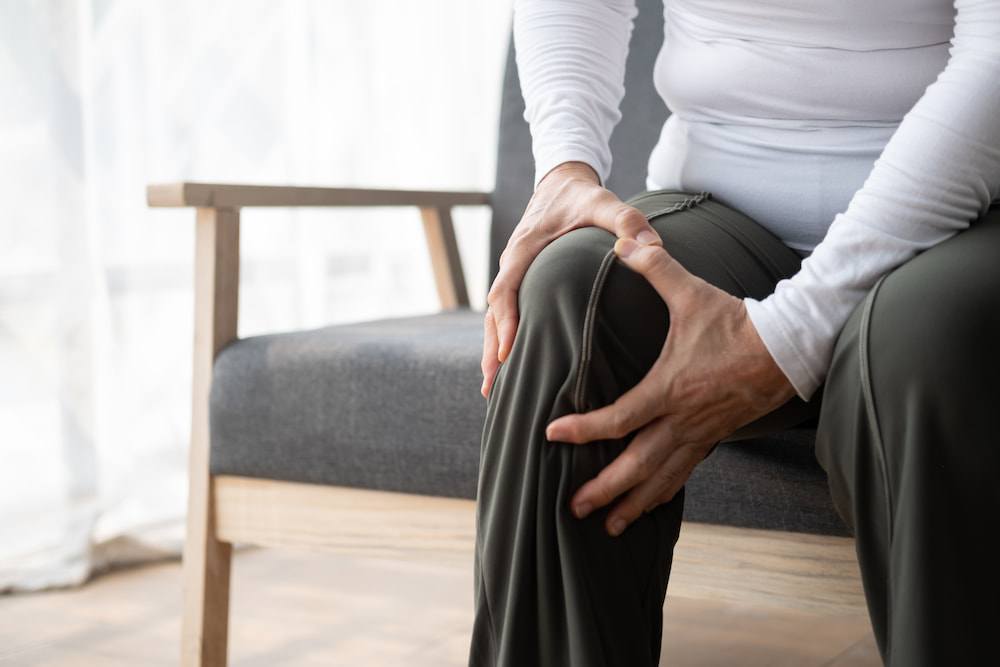
A patellar tendon rupture is a serious knee injury that significantly affects lower limb function. The patellar tendon connects the kneecap to the shinbone and works together with the quadriceps muscle to allow knee extension, walking, stair climbing, and rising from a seated position. When a rupture occurs, the entire extensor mechanism of the knee is disrupted, leading to pain, weakness, and major limitations in daily activities. Early assessment and properly structured rehabilitation are essential for restoring movement and stability safely.

Functional Limitation After Rupture

The patellar tendon plays a fundamental role in knee function as it transfers the force generated by the quadriceps muscle to the shinbone, allowing the leg to straighten. A rupture may be partial or complete and is commonly caused by sudden stress on the knee such as landing from a jump or making an abrupt change in direction. In several cases, underlying degeneration or chronic irritation weakens the tendon and increases its vulnerability.

At the moment of injury, individuals often report sharp pain and a feeling of instability, followed by swelling and difficulty walking. In complete ruptures, active knee extension becomes impossible, significantly limiting movement. Rehabilitation following either conservative or surgical management focuses on gradually restoring range of motion, strengthening the quadriceps, and improving functional stability. With structured progression and proper guidance, patients can safely return to daily activities while reducing the risk of reinjury.
Stability in Everyday Movement

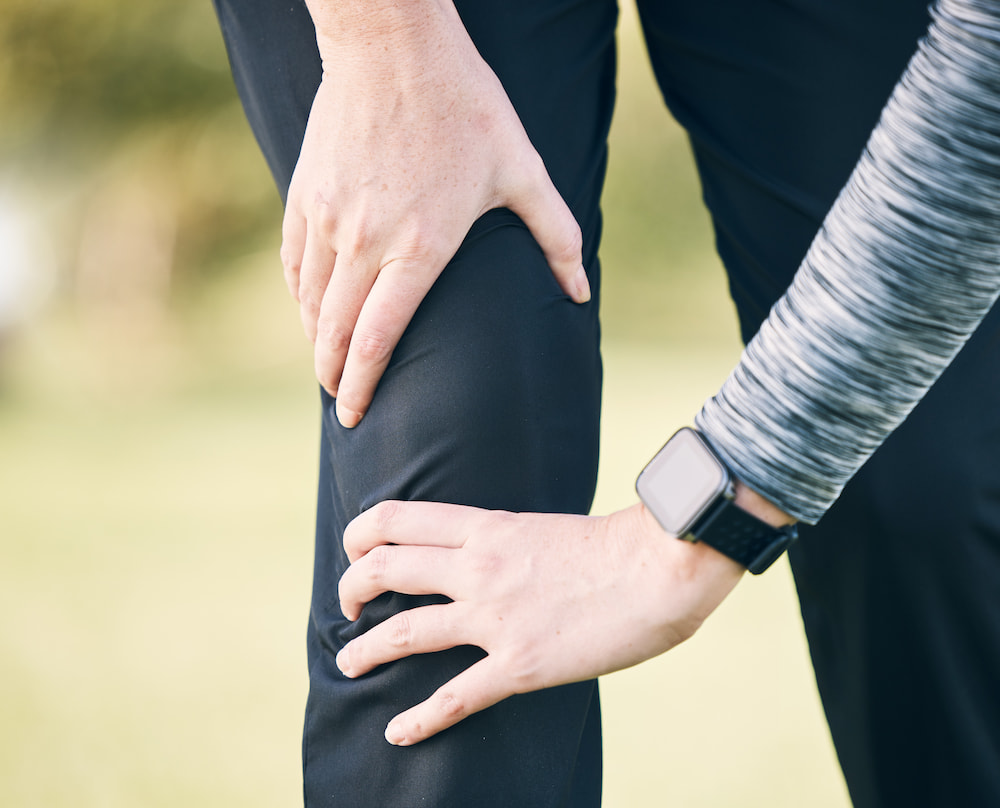
Returning to full function after a patellar tendon rupture is not only about tissue healing but also about restoring confidence in the knee. Many patients experience insecurity while walking or descending stairs even after pain has decreased. In our physiotherapy approach, we focus on movement control, proper load distribution, and functional strengthening so the knee can safely meet daily demands. Gradual exposure to functional activities enhances stability and supports a confident return to normal life.

At the same time, we assess the entire lower limb kinetic chain, as hip and ankle function significantly influence the knee. Our goal is to restore correct movement patterns rather than strengthening a single muscle in isolation. Through progressive proprioceptive exercises, neuromuscular control and joint awareness are improved. We emphasize movement quality to ensure each activity is performed safely. Proper guidance reduces overload risk and supports a steady and sustainable recovery.

How can we tell if it is a patellar tendon rupture and not just a minor injury?
Significant difficulty in straightening the knee, inability to lift the leg straight, and noticeable swelling are warning signs that require prompt evaluation. Clinical examination along with imaging confirms the diagnosis.
Can we bear weight on the leg after a rupture?
In partial tears, weight bearing may still be possible but painful. In complete ruptures, support becomes very difficult and function is significantly limited.
When does rehabilitation begin?
Rehabilitation starts according to medical guidance and the healing stage. Early but properly supervised initiation helps prevent stiffness and muscle weakness.
How important is gradual progression of load?
Gradual progression is essential to allow the tendon to adapt safely. Sudden increases in activity may lead to setbacks or complications.
Will quadriceps strength fully return?
With a structured strengthening program and consistency, muscle strength can be restored to a high level. Recovery time depends on injury severity and patient compliance.
Is knee stiffness common after this injury?
Yes, especially if mobilization is delayed. Proper physiotherapy helps maintain and restore range of motion.
How long does it take to return to work?
The timeline varies depending on job demands and injury severity. Sedentary work may resume earlier than physically demanding activities.
Are there long-term effects after a patellar tendon rupture?
With proper rehabilitation, most individuals regain good functional levels. Lack of structured therapy may result in persistent weakness or instability.