
Patellar chondropathy

PATELLAR CHONDROPATHY

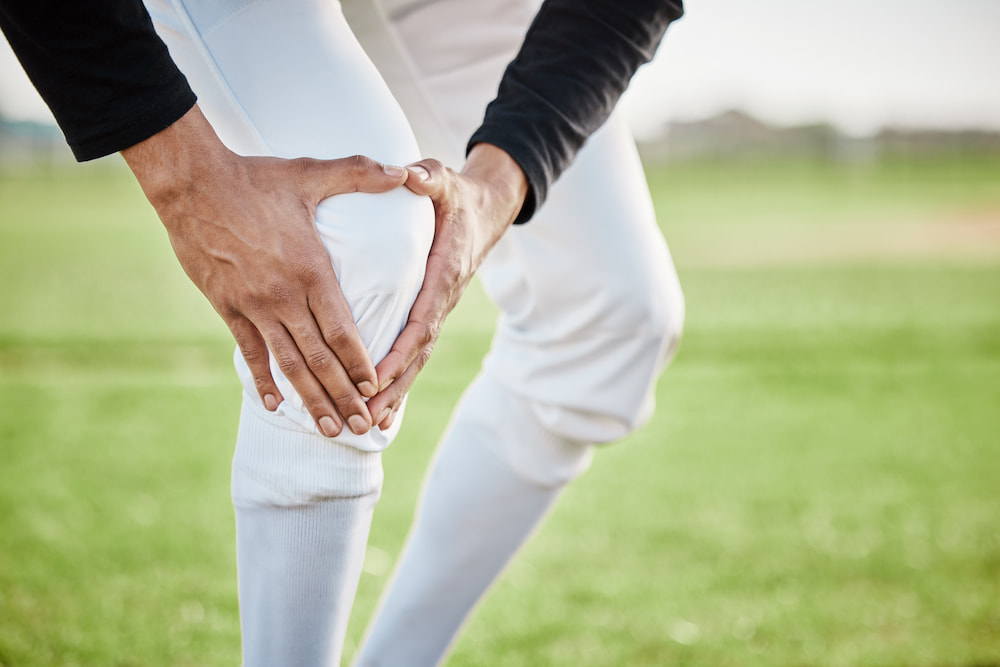
Patellar chondropathy describes irritation or wear of the cartilage on the back surface of the kneecap and it is commonly associated with pain at the front of the knee. Symptoms often feel like discomfort around or behind the kneecap that worsens with stairs, deep squats or after sitting for a long time, with stiffness when standing up. It can affect active people but also anyone whose daily routine repeatedly loads the knee. In many cases symptoms relate to how the kneecap tracks over the thigh bone as the knee bends and straightens. A physiotherapy assessment helps identify contributing factors and builds a plan focused on function, movement control and a gradual return to your activities.

Factors that load the patellofemoral joint

Patellar chondropathy involves irritation or changes in the cartilage on the underside of the kneecap and it often presents as anterior knee pain that flares when the knee is loaded more. Many people notice pain on stairs especially going down, during activities that require bending such as squatting and after prolonged sitting when the knee feels stiff as they stand up. You may also notice clicking, grinding or a creaky sensation during movement, which does not always mean severe damage but when paired with pain it suggests the joint needs better load management. Symptoms can be influenced by factors such as a sudden increase in activity, repetitive stress, a previous injury or mechanics that affect how the kneecap moves in its groove. Physiotherapy management focuses on reducing the loads that provoke symptoms, improving mobility where needed and rebuilding strength with an emphasis on functional control so the knee can cope better with daily demands.
Movement quality and control for the kneecap

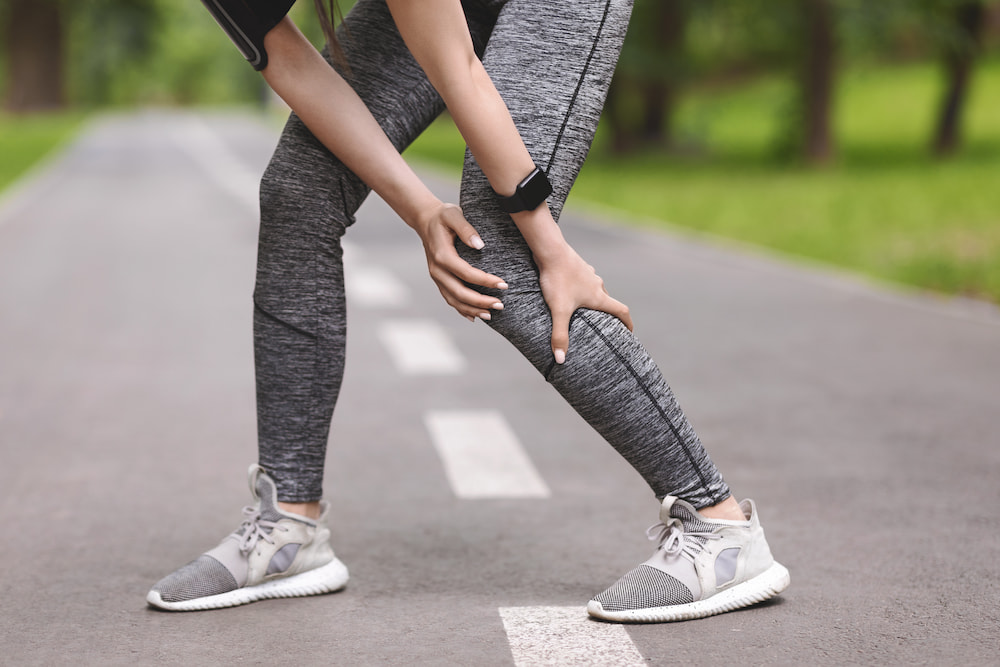
With patellar chondropathy, it helps to understand what triggers your symptoms during the day and learn how to adjust them without stopping everything. Many flare-ups come from repeated knee bending at a certain depth, quick changes in pace or periods when activity increases too fast. In physiotherapy we work directly on the tasks that bother you such as stairs, squatting, standing up from a chair and walking uphill so movement quality improves and pressure around the kneecap decreases. We also set progressive goals that fit your routine so you can improve steadily with fewer flare-ups. The plan stays functional and personalised so you can return to your activities with better tolerance and more confidence.

Why does my knee hurt when I go down stairs?
Pressure around the kneecap often increases when the knee bends under load like during stair descent. With assessment plus strengthening and movement-control rehab we can reduce stress and improve your function.
Why do I hurt when I stand up after sitting for a long time?
After prolonged sitting the area around the kneecap can feel irritated and stiff when you stand. Load management and progressive strengthening usually improve this over time.
Is it normal to feel clicking or grinding in my knee?
Noises or grinding sensations can happen even without a serious issue but if they come with pain an assessment is useful to improve how your knee is loaded.
Can I keep going to the gym if I have patellar chondropathy?
You usually do not need to stop completely but you may need to adjust exercises and intensity to avoid flare-ups. We guide you to stay active safely.
Why do deep squats bother me?
Deep knee bending increases load at the patellofemoral joint and that can irritate symptoms. Progressive strengthening and technique adjustments usually reduce discomfort.
How soon will I improve if I start physiotherapy?
Timelines vary but with consistent progressive strengthening and movement-control work most people notice gradual improvements in symptoms and function.
Can chondropathy be related to running?
It can be linked to repetitive loading activities like running and jumping especially when volume increases too fast. With load adjustment we can plan a safe return.
What does it mean when my knee feels like it gives way?
Pain and reduced confidence can create a sense of instability. Rehab focuses on movement control and stability so you feel safer during daily tasks.