

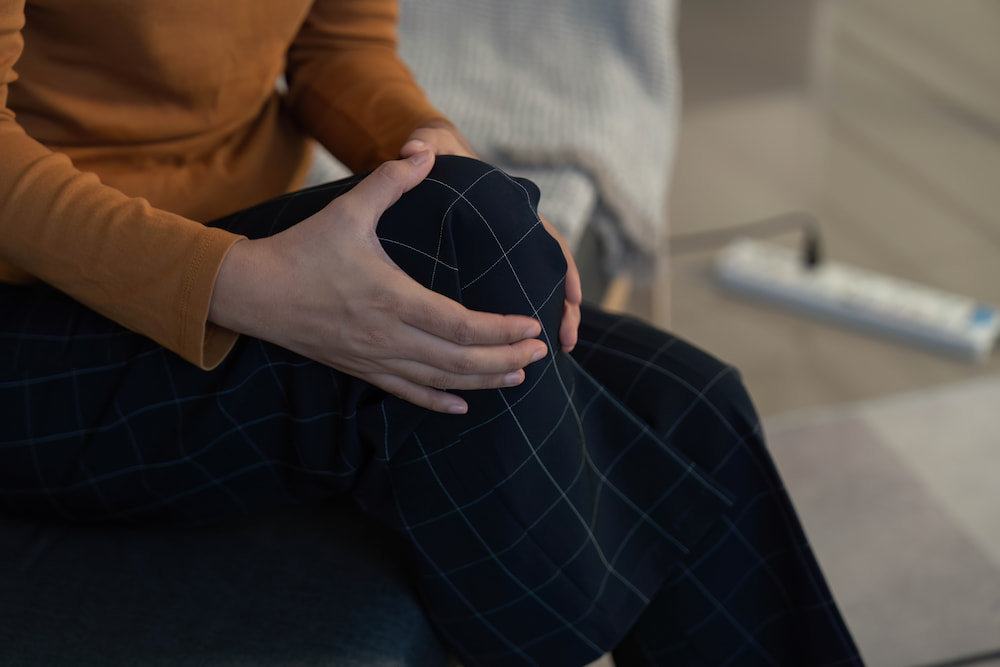
Patella tendonitis

PATELLA TENDONITIS

Patella tendonitis, often referred to as jumper’s knee, is an overuse condition affecting the tendon just below the kneecap that connects the patella to the shinbone. This tendon works with the quadriceps to straighten the knee and support activities like stair climbing, squatting, running and jumping. When training or daily demands increase too quickly or are repeated without enough recovery, the tendon may struggle to adapt and pain can develop at the front of the knee. The discomfort is commonly felt at the lower pole of the patella, tends to flare with activity and may become more persistent if the load continues. Proper assessment and progressive rehabilitation with load management help you return to function safely.

When pain becomes more noticeable in daily life

Patella tendonitis is most commonly linked to repetitive stress on the patellar tendon, especially in activities that involve jumping, running, sudden deceleration or deep squatting. Pain is usually felt just below the kneecap and often becomes noticeable when you start exercising, when going up or down stairs or when rising from a chair. In many cases the discomfort eases temporarily as you warm up, yet it can return more strongly after activity or the next day. If the tendon continues to be loaded without appropriate adjustment, symptoms may persist and limit knee function.

Management typically focuses on controlling the loads placed on the tendon and following a progressive rehabilitation plan aimed at improving the strength and capacity of the knee extensor system. Physiotherapy helps structure a safe return to movement, improve movement control and reduce flare-ups that occur when activity increases too quickly.
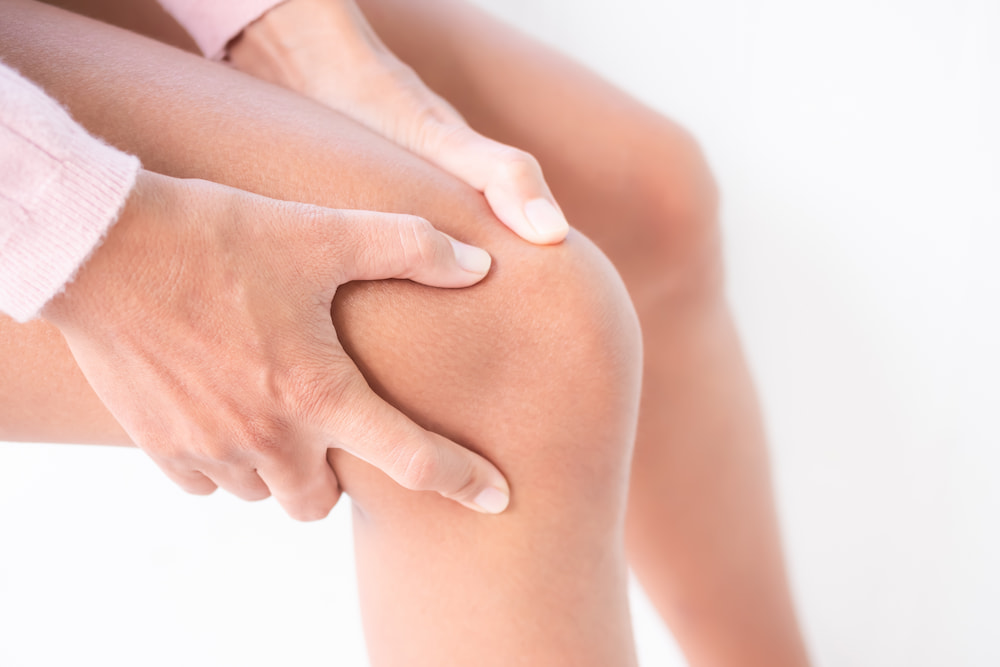
How we build tendon capacity

With patella tendonitis, the goal is not only to reduce pain but to rebuild the tendon’s tolerance to everyday demands. This often means temporarily changing how you move, adjusting training frequency and intensity and learning to recognise early signs that the knee has been overloaded. In physiotherapy guidance we focus on movement quality during tasks like squatting, stair use and returning to jumping so unnecessary stress is reduced. We also work on balance and neuromuscular control so the knee feels more stable during changes in speed and direction. Progressive goals that match your schedule help you return step by step without repeated setbacks. With consistent monitoring and the right adjustments, flare-ups decrease and long-term function improves.

Where is pain usually felt in patella tendonitis?
Pain is usually felt just below the kneecap where the tendon attaches and often worsens with stairs, squats or jumping.
Is tendinitis the same as tendinopathy?
In everyday use they are often used for the same issue and many modern sources prefer the term tendinopathy to describe tendon changes.
Why can pain ease during warm-up but come back later?
With overload conditions the tendon may feel better temporarily as you warm up, but if the load exceeds its capacity symptoms often return after activity.
How long does improvement usually take?
Timelines vary based on symptom duration and load demands. With a consistent plan and the right progression, function typically improves gradually.
Can it get worse if i ignore it?
Continuing to load the tendon without adjustment can worsen symptoms and delay your return to activity.
Does strengthening help with patella tendonitis?
Yes, a structured strengthening plan with progressive loading is a key part of rehabilitation to improve tendon capacity.
Can it be linked to weakness or stiffness elsewhere?
Overall lower-limb function can influence the knee, so rehabilitation often considers movement and stability as a whole.