
Lateral collateral ligament

LATERAL COLLATERAL LIGAMENT

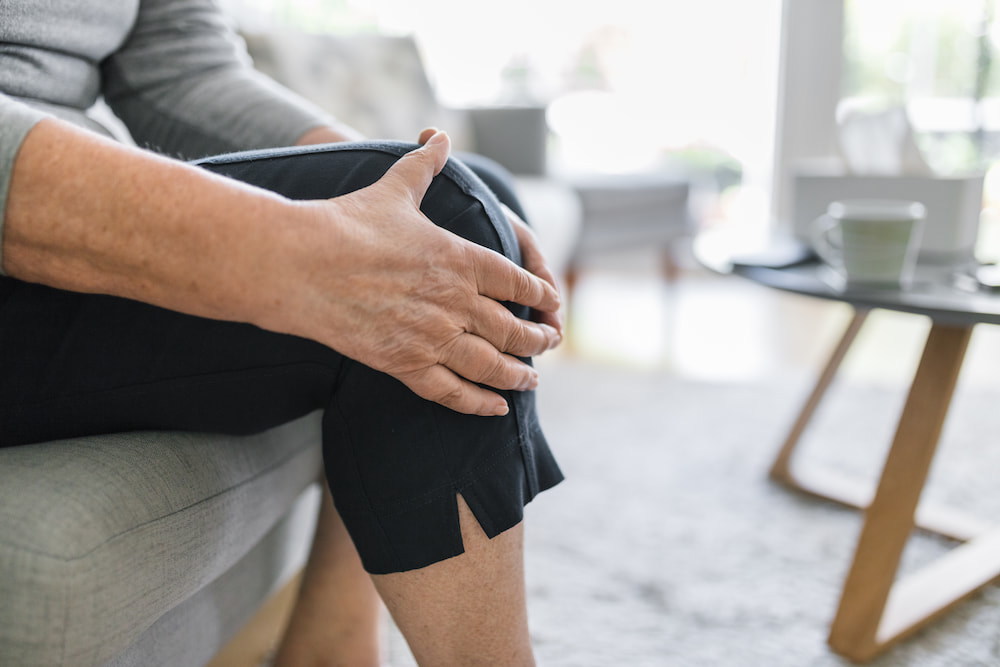
The lateral collateral ligament is one of the key ligaments on the outer side of the knee and helps keep it stable during walking turning and changes of direction. When it becomes irritated or injured after a twist, a blow to the inner side of the knee or a period of higher activity you may feel pain along the outer knee, a pulling sensation or mild instability with movement. Rehabilitation aims to calm the area improve knee and hip control and support a gradual return to walking work and exercise with more confidence.

Pulling sensation and tenderness

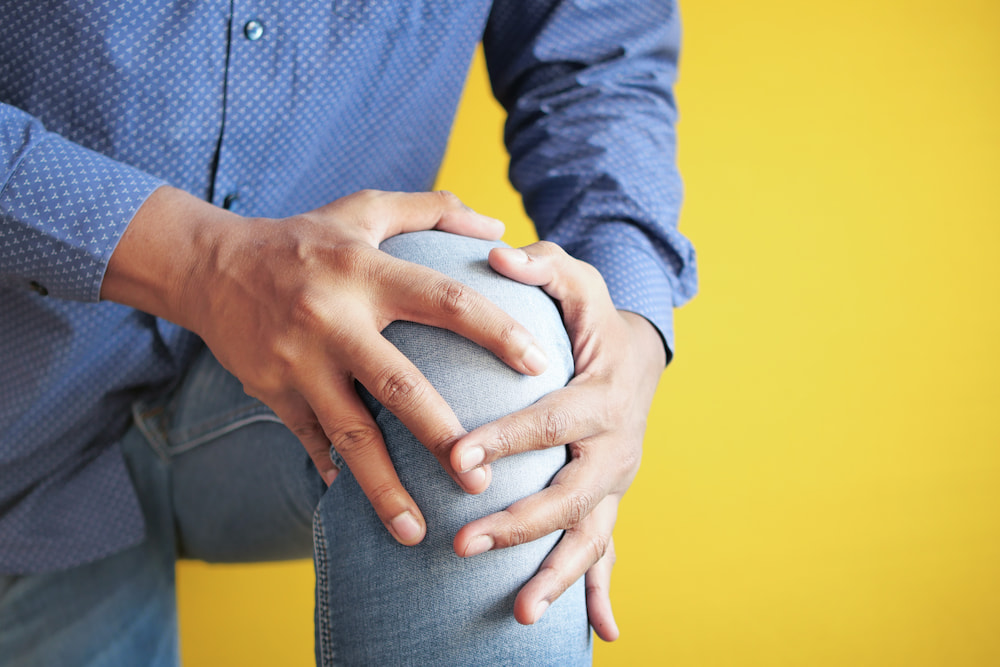
Irritation or injury of the lateral collateral ligament usually causes pain or tenderness on the outer side of the knee that becomes more noticeable with faster walking, going up or down stairs, sudden turns or standing on uneven ground and in some movements you may feel a slight pull or sense that the knee is not as secure as before which leads many people to avoid quick walking, sharp stops or sideways movements so gait changes and the hip, glutes or the other leg may get more tired yet what tends to help is finding the right amount of movement that does not spike pain and gradually working with exercises for knee mobility, hip control, strengthening of the outer thigh and calf muscles and simple balance drills so the knee is better supported in real life, tolerates more activity and lets you return more safely to housework, walking, stairs and exercise without the same worry about the outer side.
Role of glutes and outer thigh

Early on the focus is to find an activity level where the knee reacts less which often means a calmer walking pace, less time on uneven ground and more controlled turns instead of sharp movements while at the same time you start a simple program with gentle knee bends and straightening, exercises for the glutes and outer thigh and basic balance work in a safe setting; as symptoms settle we add progressively more dynamic tasks such as sideways steps, slower changes of direction and later more lively walking or exercise with the rule that pain should not rise sharply during the day or the next day so the ligament and surrounding muscles build tolerance again and you feel that the knee holds steady in real life situations.

What does the lateral collateral ligament actually do in the knee?
It helps stabilise the outer side of the knee during walking turning and changes of direction and works together with nearby muscles so the knee does not drift outward.
How would I know if my outer knee pain might involve the ligament?
You often feel local pain or tenderness on the outside that worsens with faster walking, turning or side steps and you may sense that the knee feels less secure in movements that used to feel easy.
Is it normal that sudden turns hurt more?
It can be since quick turns demand more from the outer knee and the ligament which is why we start with controlled movements and only add speed as your knee tolerates it.
Do I have to stop all exercise until it settles?
Complete rest is rarely required unless your doctor advises it, instead we adapt the type and level of activity so the knee stays within what it can handle and you do not feel worse after every session.
Can I use stairs or will I make it worse?
You can usually use stairs at a calm pace with attention to how you step and by avoiding rushing or many flights at once at first while we gradually increase as your knee responds better.
How does balance training help the lateral collateral ligament?
Balance drills train the leg to handle small corrections with each step which supports the ligament and reduces sudden motions that might irritate the outer side again.
When is it safe to return to faster walking or running?
Typically when the knee is comfortable with easy walking and stairs, when your exercises do not leave strong next day soreness and when small tests at a slightly faster pace do not clearly flare symptoms so we can progress in small steps.
How can I reduce the chance of the lateral collateral ligament flaring again?
It helps to progress activity intensity and duration gradually, strengthen the hip and the muscles around the knee, work on balance and sideways control and avoid sudden returns to demanding sports after a break.