

Vertebra fracture

VERTEBRA FRACTURE

A vertebra fracture is an injury to one or more bones of the spine. It can happen after a fall or a sudden impact and in some situations it may occur more easily when bones are more fragile. What often affects daily life the most is back pain, difficulty staying upright for long and the need to adjust movements like getting out of bed, dressing and basic home tasks.
Rehabilitation aims to help you return to movement safely, improve trunk control, reduce fear with everyday transfers and build steady tolerance for daily activities in a way that supports your spine.

Pain and transfer difficulty

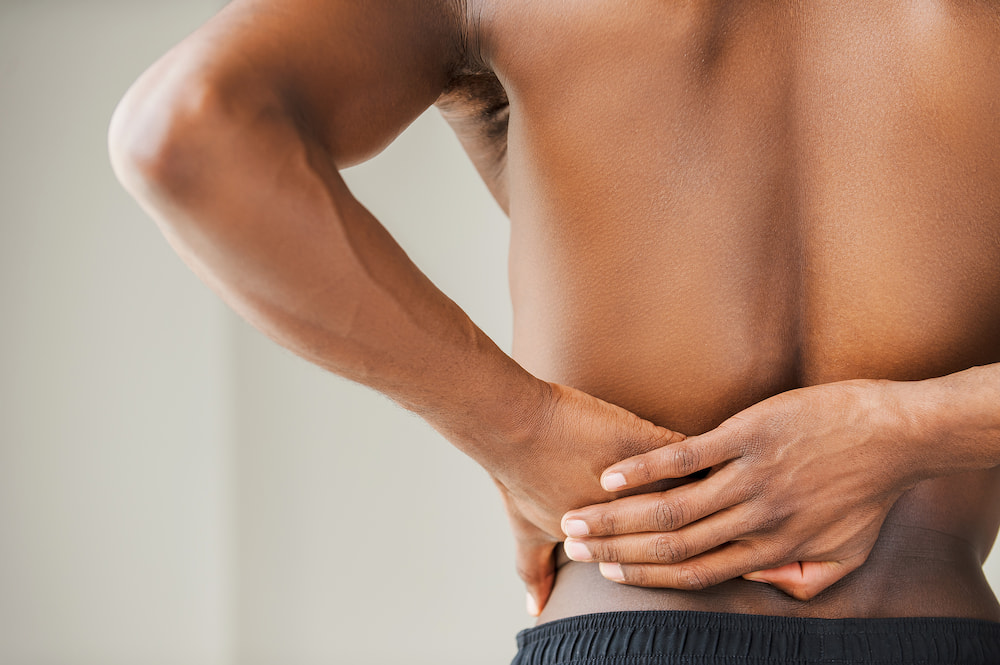
After a vertebra fracture it is common to have back pain that increases when you stay upright, walk for longer or try to bend. Many people feel the trunk becomes guarded and tight and they need extra time to change position in bed, stand up from a chair or get into a car. Stiffness, early fatigue and a tendency to hold the breath or protect the area can also appear which can make movement feel less natural. With a well structured rehabilitation plan the focus is a gradual return of comfortable movement, posture control, walking tolerance and confidence in daily tasks without pushing the body before it is ready.
Posture and trunk control

Rehabilitation starts by teaching safer movement strategies for daily life such as turning in bed, standing up from a chair and bending in a more protective way. At the same time we use gentle mobility and breathing work to reduce trunk tightness so movement feels easier during the day. Next we add progressive strength for the trunk and hips to improve posture control, build walking tolerance and support daily tasks like dressing, light home activities and small carries. Progress is gradual with the goal of feeling more supported and avoiding a next day setback.

What does a vertebra fracture mean?
It means a bone in the spine has been injured and for a period the body needs protection and guided movement. With the right plan the goal is a safe return to function.
Is it normal to hurt more when standing?
Yes it is common because standing demands more from the trunk and can irritate the area early on. Breaks, position changes and gradual activity progress often help.
How do I get out of bed without straining?
It often helps to roll onto your side, bring your legs off the bed and push up with your arms so the trunk stays steadier. In physiotherapy we practice it so you find the most comfortable method for you.
What role does strengthening play in recovery?
Strengthening helps the trunk and hips support the spine during daily activity. Done well it builds tolerance, reduces fatigue and makes movements like walking and bending easier.
When can I return to longer walks?
It is a gradual process based on how your body responds and without a strong next day flare-up. Most people start with short walks and build time and pace step by step.
Can I do home chores?
Usually yes with adjustments and good technique. We break tasks into smaller parts, avoid sudden movements and focus on safer bending and posture.
What are signs I am progressing well?
Good signs include easier transfers, walking a bit more with less fatigue and the body settling faster after activity. Increased confidence in daily movement is another important sign.
Why is balance important in rehabilitation?
Balance reduces the risk of another fall and helps you walk with more confidence. With simple exercises and gradual challenges you build stability and better control in daily movement.