

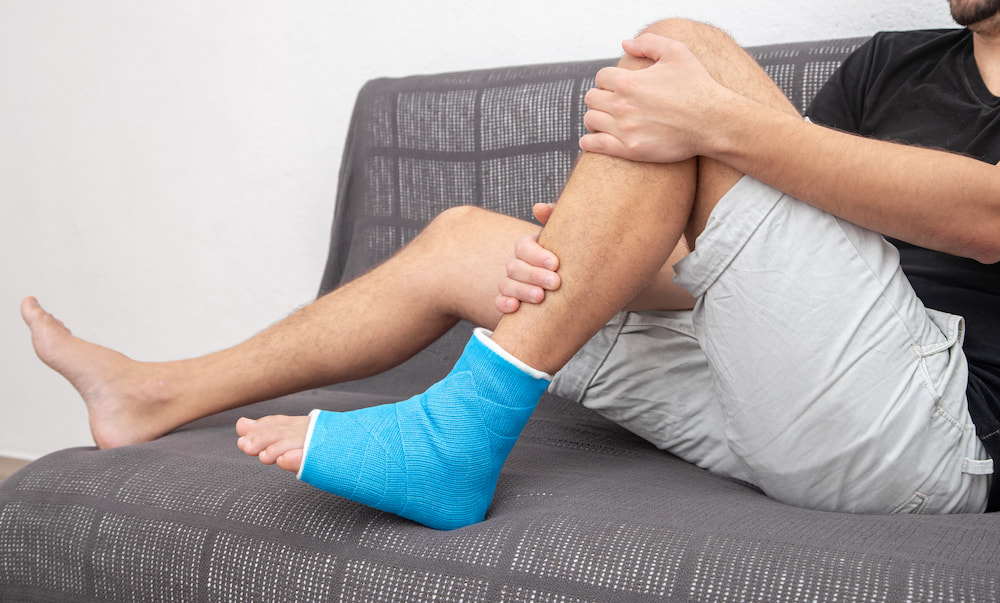
Tibia-fibula fracture

TIBIA - FIBULA FRACTURE

A tibia-fibula fracture is a break in the lower-leg bones, the tibia at the front which handles most of the demand during walking and the fibula on the outside which supports stability. It can happen after a fall a direct blow sports trauma or a vehicle collision and in many cases both bones are affected.
After the injury the goal is to return gradually to safe walking and everyday movement without pushing the leg too early. Your plan follows your clinician’s instructions, especially how much you are allowed to step on the leg at first and it is supported by structured rehabilitation that works on mobility strength balance and walking technique.

Swelling pain and unsteady stepping

After a tibia-fibula fracture it is common to have shin pain, swelling and difficulty stepping on the leg. Many people feel the leg tires quickly and stepping feels uncertain, especially when getting up from a chair or trying short walks at home.

Depending on the fracture pattern you may be in a cast or boot or you may have had surgical stabilization. In all cases you are given clear guidance on how much you are allowed to step on the leg and crutches or a walker are often used until it is safe to increase stepping gradually.

Rehabilitation focuses on keeping the knee and ankle moving, reducing stiffness and rebuilding strength so walking becomes steady again. Practical training often includes safe sit-to-stand technique, correct use of a walking aid and gradual gait retraining to avoid compensations and uneven stress.

If pain suddenly becomes much worse than before, the leg feels extremely tight or you notice numbness or color changes in your toes seek urgent medical advice.
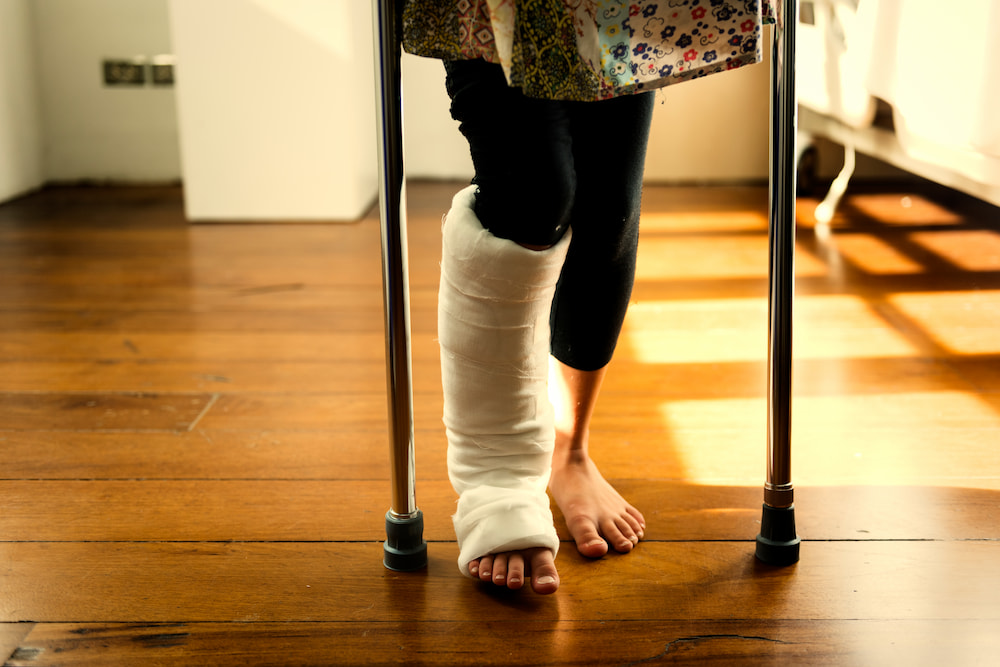
What happens in the first session

In the first session we do a simple functional check to see how you move safely in the room, how you stand up from a chair and how you use your walking aid. Then we build a plan that matches your clinician’s instructions and your daily routine. We work on gentle knee and ankle mobility, basic lower-limb muscle activation and walking technique so you do not shift your body to one side. Step by step we add balance work better step control and functional drills for everyday needs such as short indoor walks and safe stair practice when it is allowed.

What are the tibia and the fibula?
The tibia is the main shin bone at the front that takes most of the demand in walking while the fibula sits on the outside and supports stability. When they are injured it affects how you step and move day to day.
How do I know if I am stepping correctly?
You are usually given clear instructions on how much stepping is allowed and that is your main limit. In physiotherapy we practice crutch or walker technique so your steps are steady and your body does not shift side to side.
What is addressed first in physiotherapy?
We start with safe transfers, proper sit-to-stand technique and correct use of a walking aid. At the same time we add gentle movement and muscle activation so you do not overload the uninjured leg.
Will I lose strength in the leg?
It is common to lose strength when the leg is not used like before. With a structured exercise plan strength and endurance rebuild gradually for walking and later for stairs.
What does “proper gait” mean during recovery?
It means stepping with control, keeping good posture and not shifting all demand to the uninjured leg. This reduces fatigue and helps prevent extra aches in the back or hip.
What should I do if the leg swells during the day?
Swelling is common, especially after being upright for a while. Breaks, resting with the leg elevated and following your activity guidance often help.
How can I move around at home without getting tired too quickly?
Keep pathways clear, place essentials within reach and do short walks with breaks. With crutches or a walker use a calm pace, take steady steps and avoid rushing because fatigue can make your walking less stable.
How do I know I’m progressing well in rehabilitation?
Good signs include daily tasks feeling easier, walking with better control and getting less tired over the same distance. It also helps when your steps feel more stable and you can change direction more calmly without losing confidence.