

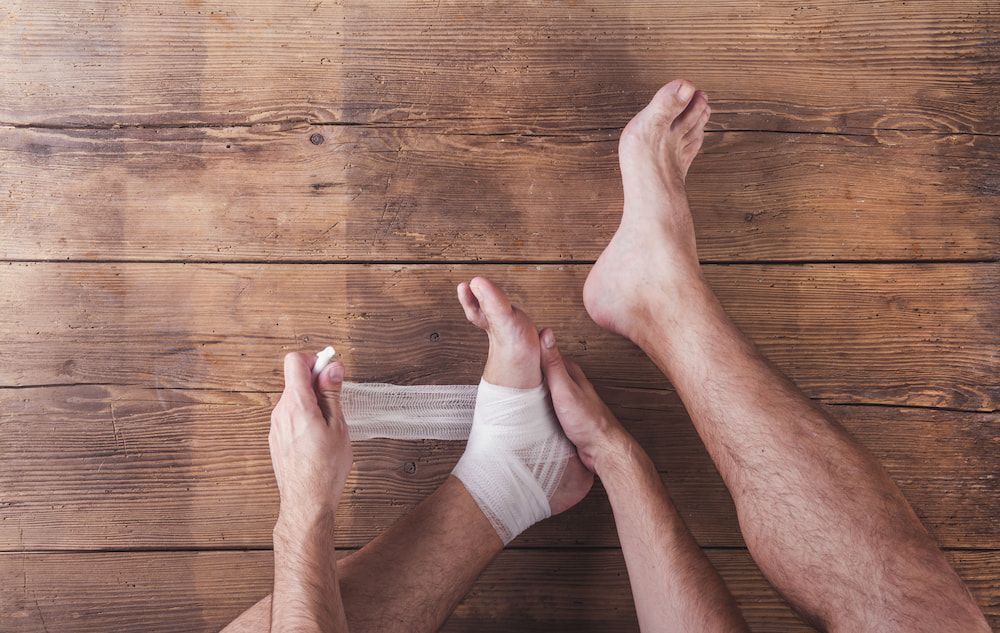
Stress fracture

STRESS FRACTURE

A stress fracture is a small crack in the bone that develops when an area is exposed to repeated load without enough time to recover. It usually does not start with a single big impact but with a gradual ache, often after increasing walking, running, training volume or long hours on your feet.
Rehabilitation focuses on recognizing it early, temporarily reducing the stress on the area and building a plan that keeps you active with safe alternatives while improving tolerance and movement mechanics so you can return gradually to activity without pain returning.

When pain starts to linger

A stress fracture often starts with localized pain that shows up during activity and initially settles with rest. Over time it can begin sooner, last longer after exercise and start to bother you even during normal walking. Many people notice sharper pain when pressing on the same spot, hopping, going up stairs or running.
A key feature is that the pain feels quite specific rather than spread out and it may make you change your walking pattern or slow down without realizing it. If the same load continues the body often responds with stronger pain and increased tenderness. That is why the usual path includes a phase with reduced impact, a gradual return to walking or running and parallel work on strength control and movement technique so the same spot is not overloaded again.

Keeping fitness during recovery

With a stress fracture it does not always mean you must be completely inactive for weeks. Often the most helpful approach is finding ways to stay active without irritating the spot. This can include switching to lower impact options such as cycling or water based exercise depending on the area and your instructions.
In physiotherapy we also work on how you stand, walk and absorb load so your body spreads stress more evenly. We build strength in the hip, calf and foot, improve balance and control and plan a gradual return to walking or running with clear steps. This prevents an abrupt comeback and reduces the chance of pain returning.

How is a stress fracture different from simple muscle soreness?
It is often more localized to one specific spot and it shows up consistently with activity. Muscle soreness is usually more spread out and varies more during the day, while stress fracture pain tends to have a clear tender point.
Why does pain appear during exercise and then settle?
Early on the bone is irritated when load increases with stepping or impact, while rest allows symptoms to ease. If the same intensity continues the pain often starts to linger longer.
Do I need to stop exercising completely?
Usually you need to stop the specific activity that irritates the area, not all exercise. With guidance you can use low impact alternatives so you stay active and do not lose all fitness.
How do you return to running?
Gradually, in small doses and with clear steps. You start with walking, then add short easy run intervals and progress only if there is no next day pain response.
If I no longer have pain can I return right away?
It is better not to, because pain relief does not always mean the body is ready for a sudden jump in intensity. A gradual return tests the bone safely and reduces relapse risk.
What can I do if I must stand for many hours?
Take short breaks, change position often and avoid long continuous distances if the area flares. Footwear choice and walking technique also affect how stress is distributed.
Why do I feel like my walking pattern changes?
Your body tries to protect the painful spot so you unconsciously adjust your gait. This can overload other areas, which is why gait retraining helps when it is safe.
Are there mistakes that slow recovery?
Recovery often slows when someone keeps “testing” the painful spot, returns too quickly to the same intensity or ignores early warning signs. Poor walking or running mechanics can also keep stressing the same area again.