
Radius-ulna fracture

RADIUS - ULNA FRACTURE

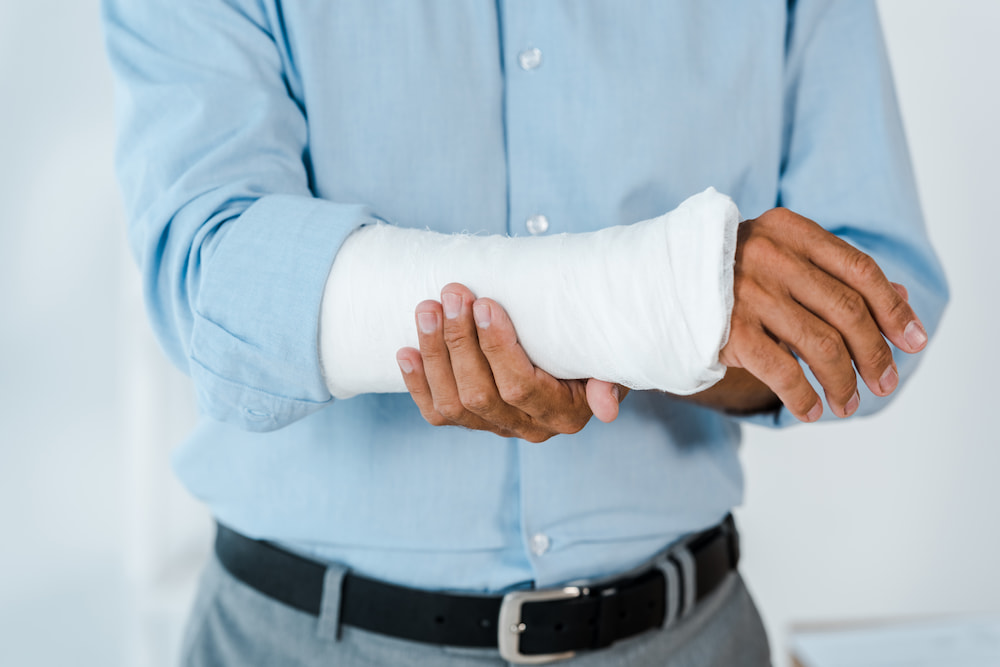
A radius-ulna fracture involves the two forearm bones, the radius and the ulna, which work together for wrist and elbow motion and for turning the palm up and down. It often happens after a fall onto the hand, a strong impact or a sports injury.
After the injury the goal is not only bone healing but a gradual return of motion strength and control so you can use your arm again for daily tasks like holding a cup, opening a door, typing and carrying light items without fear. Rehabilitation always follows your clinician’s instructions and it is adapted to whether you have a cast, a splint or another form of stabilization.

Pain swelling and weak grip

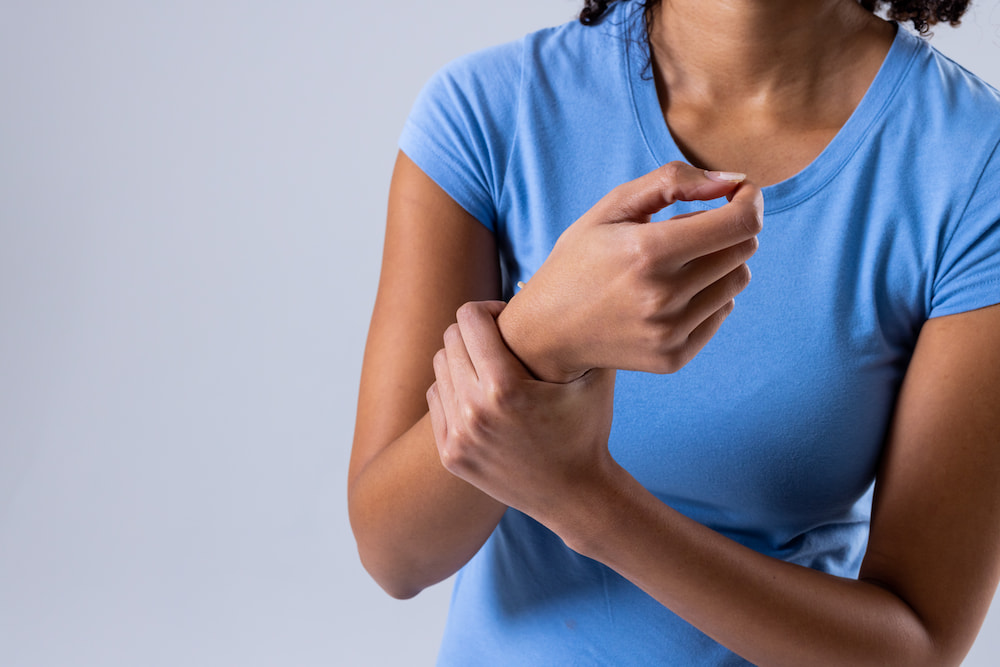
After a radius-ulna fracture it is common to feel forearm pain, swelling and difficulty using the arm for simple tasks. Many people notice the hand gets tired quickly, gripping feels weak and wrist or elbow motion feels limited because movement is uncomfortable. Turning the palm up and down can also feel especially difficult and you notice it during practical actions like holding cutlery or turning a key.
If you have been in a cast or splint it is normal to feel stiffness when immobilization ends and a tight stiff feeling in the wrist fingers and even the shoulder because the arm has been still. Rehabilitation focuses on gradually restoring motion without a flare-up the next day, improving grip and retraining everyday use such as dressing, writing and using a phone. If you develop numbness, strong burning pain or color changes in the fingers you should contact your clinician promptly.
From immobilization to movement

Early on the goal is to keep the fingers active and make the arm feel as comfortable as possible. We use gentle finger and wrist movements within your allowed limits, guidance on how to use the arm safely in daily life and simple habits to reduce swelling through the day. At the same time we protect shoulder and elbow mobility with safe movements so stiffness does not spread upward.
Then rehab becomes more functional. We add strength and endurance work for the wrist and forearm, we train grip and fine control and we rebuild the rotation and control needed for everyday tasks like lifting a bottle, opening a lid or carrying light bags. Progress is step by step so the arm feels more natural without excessive pulling or fatigue.

What are the radius and the ulna?
They are the two forearm bones. They work together for wrist and elbow motion and for turning the palm. When they are injured many small daily movements become harder.
Why is palm turning so difficult?
Because this movement comes from the forearm and needs the radius and ulna to glide well together. After injury or immobilization the body guards and tightens so rotation reduces and needs gradual retraining.
Is finger swelling normal?
Yes it can happen especially early on or when the hand hangs down for long periods. Small finger movements regular breaks and resting with the hand higher when possible often help.
What can I do to prevent shoulder stiffness?
The shoulder can stiffen because the arm is protected and kept close to the body. With guidance safe shoulder movements help maintain comfort and prevent upper-area pain.
When can I lift weight with the arm?
It depends on your instructions. You usually start with very light daily use and progress gradually when allowed, aiming for no next-day increase in pain or swelling.
How does physiotherapy help grip?
We rebuild finger and wrist strength gradually, improve holding endurance and train fine control. This makes it easier to hold items without slipping and without rapid fatigue.
What are signs of good progress?
It usually means motion improves bit by bit, grip feels steadier and you can do more daily tasks with less fatigue. Another good sign is when the arm settles faster after activity.
When can I return to typing or desk work?
Many people can return fairly early with short breaks and good hand positioning. In physiotherapy we adjust your use so the arm is not irritated and endurance builds gradually.