

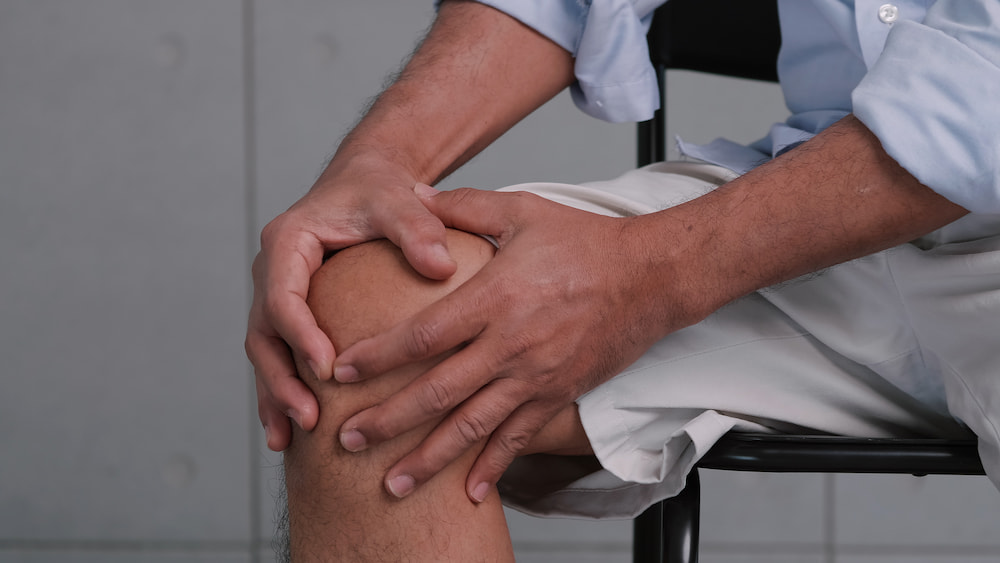
Patella fracture

PATELLA FRACTURE

Rehabilitation after a patella fracture focuses on gradually restoring knee movement and strength so tasks such as walking stairs and sitting become easier without over stressing the area. Physiotherapy is planned according to the healing stage and your physician guidance with an emphasis on safely progressing mobility strengthening the quadriceps and returning to daily activities with stability and control.

Common Symptoms After Injury or Surgery

A patella fracture can significantly affect knee extension and quadriceps strength which are essential for standing walking and using stairs. After the injury or surgery it is common to experience pain stiffness swelling and reduced confidence especially in the first weeks. Many people also notice weakness or difficulty trusting the knee when transferring weight.

Physiotherapy aims to restore range of motion gradually without disrupting healing and to rebuild the strength needed for functional movements. The plan depends on whether a brace is used when full weight bearing is allowed and when it is safe to increase intensity. As the knee improves more focus is placed on quadriceps strengthening stair control and movement quality for tasks such as sitting rising and changing direction.
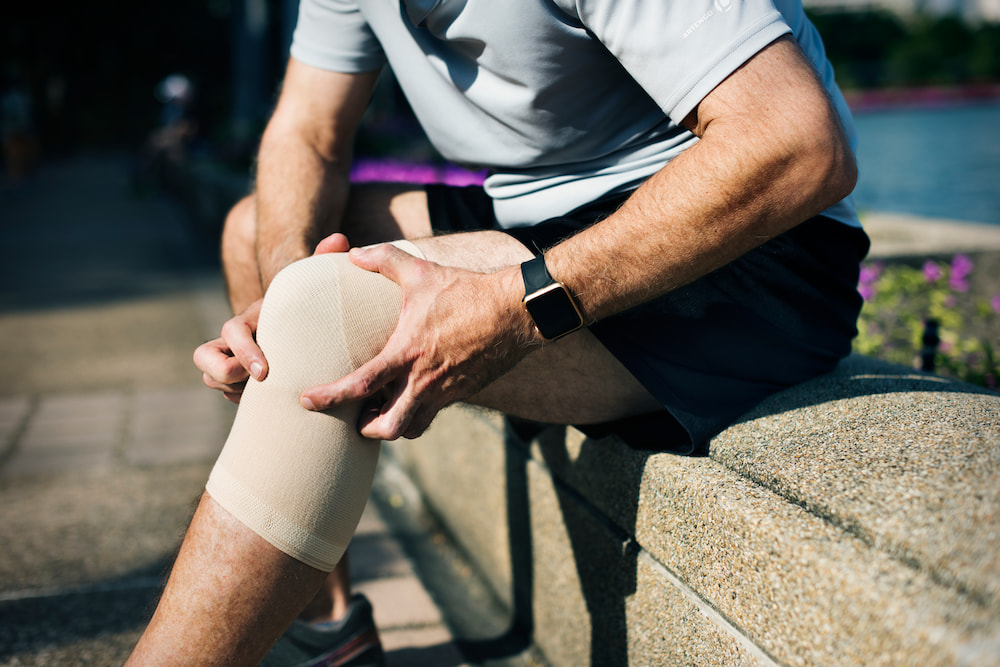
Patella Fracture Rehabilitation Stages

Rehab after a patella fracture is progressed in stages and follows your physician guidance so progress stays safe. Early on the focus is to control swelling maintain the allowed movement and gently re activate the quadriceps. Next we gradually increase range of motion and build strength so walking support and stair ability improve. In the final stage we move into more functional drills such as squats sit to stand and a gradual return to higher demand activities when the knee is stable and there is no next day worsening.

How long does recovery take after a patella fracture?
It depends on the fracture type and whether surgery was required. Progress is gradual and guided by healing and your physician advice.
Is it normal to feel quadriceps weakness?
Yes especially early due to pain immobilization and reduced use. With re activation and progressive strengthening it improves.
When can I walk without an aid?
This depends on your physician guidance and healing stage. Weight bearing typically increases gradually once stability and control improve.
Is it normal for swelling to persist?
It can persist for a while especially after activity. Proper adjustments and gradual progression help it settle.
How can I reduce the risk of ongoing front knee pain?
By restoring extension and flexion progressively strengthening the quadriceps and returning to activity gradually without overdoing it.
When can I bend my knee further without worrying?
Increasing knee flexion is gradual and depends on healing and your physician guidance. We progress when motion improves without strong pain and without next day swelling increases.
What can I do if my knee gets tired easily during the day?
Short breaks position changes and spreading tasks throughout the day often help. Progressive strengthening also builds endurance so fatigue reduces over time.
Is it normal to feel tightness around the kneecap?
Yes this can happen due to stiffness and reduced tissue flexibility after immobilization or surgery. With gradual mobility and exercises it usually improves.