

Medial/lateral malleolus fracture

MEDIAL/LATERAL MALLEOLUS FRACTURE

A medial or lateral malleolus fracture involves the bony bumps at the ankle that help keep the joint stable. The medial malleolus is on the inside and the lateral malleolus is on the outside. This type of fracture can happen after a twist, a fall, a misstep or a direct impact. Sometimes only one side is involved and other times both sides are affected which can change how stable the ankle feels early on.
After the injury the goal is to regain safe walking step by step and avoid stiffness weakness and a sense of giving way. Your plan follows your clinician’s instructions, especially how much you are allowed to step on the leg at first and rehabilitation focuses on mobility strength balance and control for daily tasks like standing up, short indoor walks and later stairs.

Swelling bruising and ankle pain

After a medial or lateral malleolus fracture it is common to have ankle pain, swelling and bruising that can spread toward the foot. Many people struggle to stand or walk early on because stepping feels uncertain and the ankle does not feel trustworthy under load. Discomfort often increases with quick direction changes, uneven ground or getting up too fast from a chair.
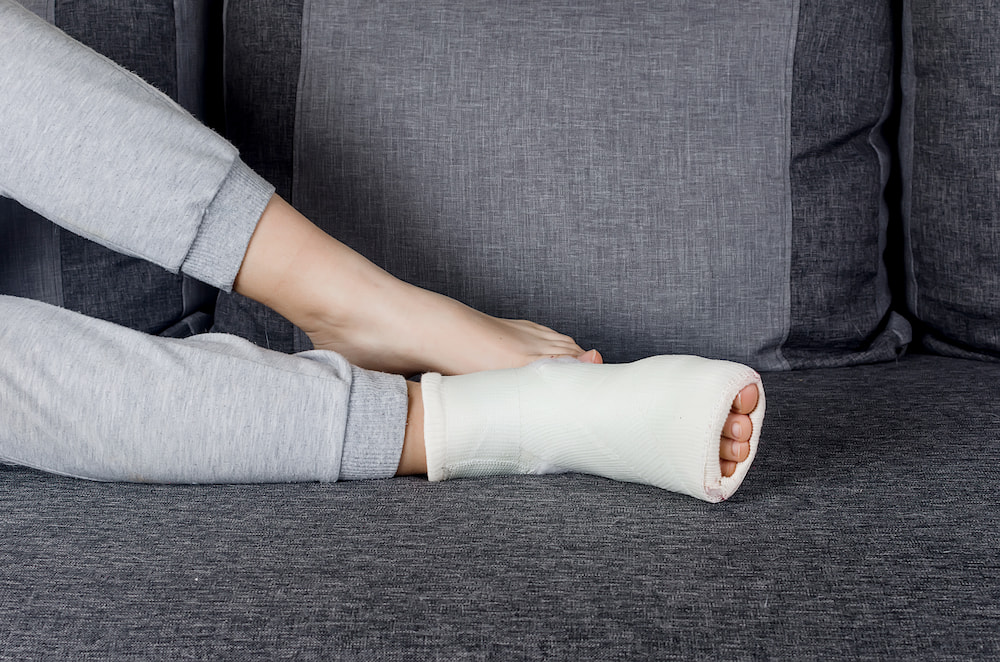
Depending on the fracture you may be in a cast or a boot or you may have had stabilization. As immobilization reduces it is normal to feel ankle stiffness and a tight feeling in the foot or calf because the tissues have been quiet for a while. Rehabilitation aims to gradually restore motion and strengthen the muscles that support the ankle so walking becomes steadier without limping. Balance work is also important because a sense of giving way is common when you return to varied surfaces or faster movement.
If you develop strong numbness in the toes, the foot becomes very cold or changes color or pain suddenly spikes compared with before you should contact your clinician promptly.

Step by step rehabilitation

Early on the focus is safety. You learn how to move well with crutches or a walker, how to sit and stand without rushing and how to do short indoor walks at a steady pace. At the same time we keep toes, knee and hip moving gently so other areas do not stiffen while you protect the ankle.
Next when more stepping is allowed rehab becomes more ankle focused. We add mobility work to restore range, strength work for the calf and foot and balance training in safe positions. Later you progress to functional challenges such as longer walks, gentle stair practice, direction changes and a gradual return to activities that need quicker steps. Progress is guided by feeling steadier and avoiding a strong flare-up the next day.

What are the medial and lateral malleolus?
They are the bony parts on each side of the ankle that help keep the joint stable. When one is injured stepping can feel less secure until recovery progresses.
Why does the ankle swell so much after a fracture?
Swelling is a normal response after injury and it often increases when the foot hangs down for long periods. Breaks, resting with the leg elevated and gentle allowed movement often help.
Is bruising in the foot normal?
Yes bruising can travel toward the foot because fluid moves with gravity. If it comes with strong numbness or a very cold foot it should be checked.
When will ankle motion start to return?
It depends on your instructions and on whether you were immobilized. It usually starts with small safe movements and builds gradually to avoid a next-day flare-up.
Why do I feel unsteady when I change direction?
After a fracture the ankle can temporarily lose some control and position sense. Balance training and gait retraining help stability return more reliably.
How do I know I am progressing well?
Good signs include taking more steps with less fatigue, less day-to-day swelling and the ankle settling faster after activity. It also helps when direction changes feel calmer and more controlled.
When should I seek urgent medical guidance?
If you develop strong numbness, the foot becomes cold or changes color, pain suddenly spikes or something feels seriously concerning you should seek prompt advice. It is safer to check unusual symptoms early.