

Femoral head fracture

FEMORAL HEAD FRACTURE

A femoral head fracture involves the “ball” of the hip joint—the part that sits in the pelvic socket and allows smooth leg movement. It is considered rare and often follows high-energy trauma, sometimes occurring together with a hip dislocation, which is why diagnosis and treatment decisions rely on imaging findings and your orthopedic surgeon’s instructions.
Rehabilitation is usually planned to restore safe walking, gradually improve mobility and strength around the hip and help you return to daily activities (sitting, transfers, stairs) without overloading the area.

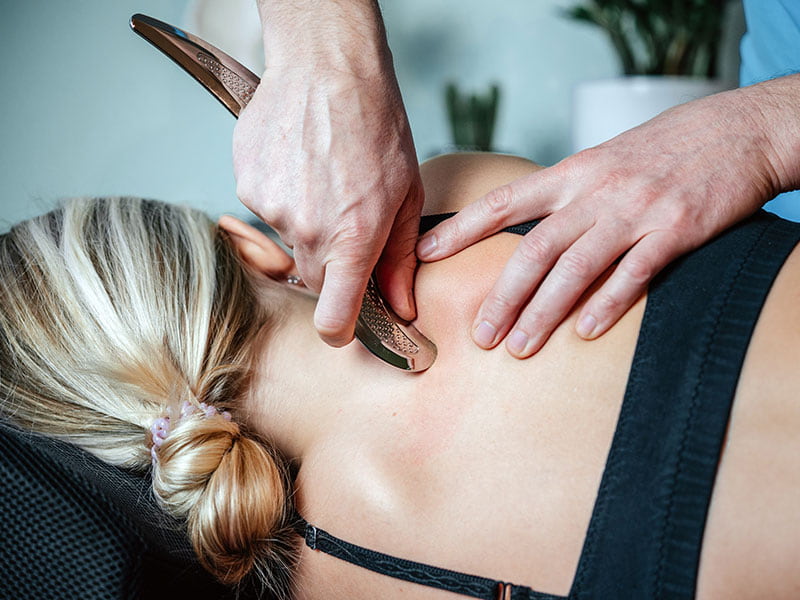
Ergon technique

Symptoms after a femoral head fracture

After a femoral head fracture, it’s common to experience hip or groin pain, difficulty bearing weight and a sense that movement feels restricted or less stable. In many cases, pain increases when you try to stand, walk or change direction, which is why the return to walking is typically gradual and guided.

Following surgical management, you may also notice stiffness, walking fatigue and reduced confidence with everyday transfers—especially in the early weeks. Physiotherapy is planned to progressively improve range of motion and rebuild the strength needed for functional tasks (like sitting, standing up and short walks), while strictly respecting the weight-bearing instructions you’ve been given.

Ergon technique

Step-by-Step Rehab

Rehabilitation after a femoral head fracture usually progresses step by step and is tailored to your surgeon’s guidance—especially regarding weight bearing (how much load you’re allowed to put through the leg). Early on, the focus is pain control, safe transfers (bed–chair), and correct walking with an aid to reduce fall risk. Next, range of motion is progressed gradually and the key support muscles (glutes/thigh) are strengthened, together with balance work and better gait control. As stability improves and the next weight-bearing phase is permitted, more functional tasks are introduced—such as sit-to-stand practice and, later, stairs—aiming for steady progress without a flare-up the following day.

What exactly is the “femoral head”?
It’s the rounded top of the thigh bone that fits into the pelvis to form the hip joint.
Is a femoral head fracture common?
No, it's considered rare and often linked to high-energy trauma and/or dislocation.
What’s normal in the first weeks?
Pain with movement, stiffness, and walking fatigue are common early on and usually improve with a guided plan.
When does physiotherapy usually start?
As early as safely possible, focusing on safe mobility and basic guidance depending on medical clearance.
What is addressed first in rehab?
Safe transfers (sit-to-stand), walking with an aid, and gentle muscle activation for safety.
What can I do at home to feel safer?
Reduce fall risks (clear pathways, good lighting, stable footwear) and follow instructions closely.
When should I contact my doctor urgently?
If pain suddenly worsens, you feel new locking/instability, or you have significant concerns, seek prompt medical advice.