

Osteoarthritis

OSTEOARTHRITIS

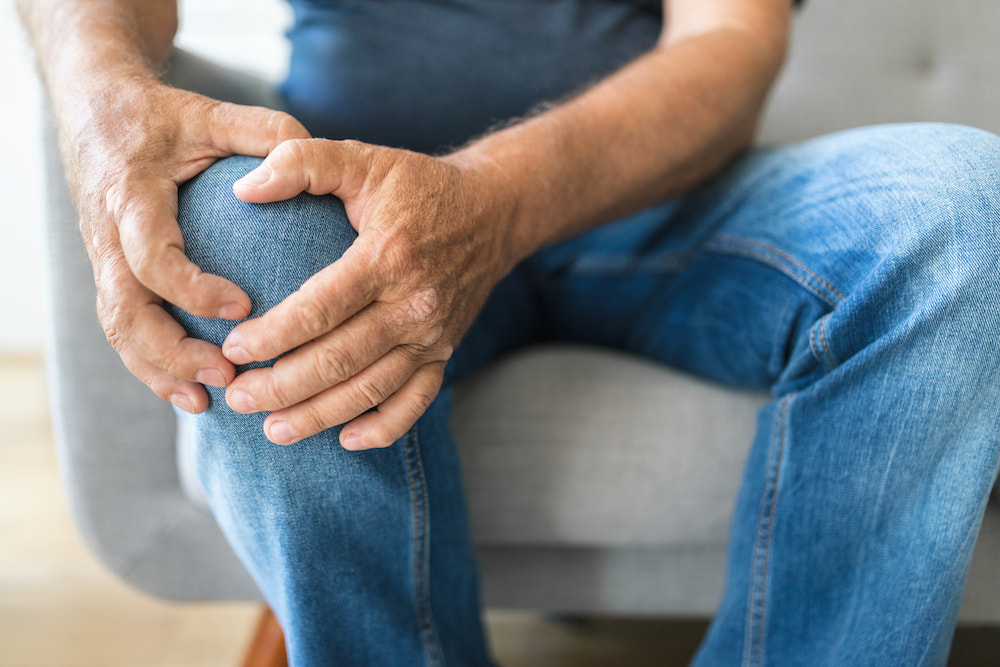
Osteoarthritis is a common joint condition where the tissues that help a joint move smoothly change over time. This can lead to pain, stiffness and difficulty with everyday tasks like walking, stairs, standing up from a chair or gripping objects depending on which joint is affected.
Rehabilitation focuses on practical goals. Reducing symptoms, improving mobility and building strength and control so you can do more through the day with less discomfort and more confidence.

Pain that increases with activity

Osteoarthritis often shows up as pain that appears or increases with activity plus stiffness, especially after long sitting or in the morning when you start moving. Many people describe a tight feeling in the joint, difficulty with the first steps or the first minutes of movement and then some relief once the body warms up. Over time you may notice reduced range of motion, a grinding or pulling sensation and quicker fatigue during tasks that used to feel easy. People often start avoiding certain movements without realizing it, which can reduce strength and make the joint feel less steady. That is why a good plan aims for a gradual return to function using mobility, strengthening and better control so flare-ups become less frequent and daily life feels easier.

Strength that supports the joint

Physiotherapy starts with what matters in real life. We look at which movements are difficult, how you stand and walk, what you can tolerate through the day and what tends to trigger symptoms. Then we build a plan that combines gentle mobility, strengthening of the muscles that support the joint and practical coaching for daily tasks like standing up from a chair, using stairs with better control and pacing your day so hard tasks are not all done at once. The goal is not to avoid movement but to find the right method and the right dose. With steady progress you build tolerance, stability and confidence in your everyday motion.

Why does it hurt more when I move?
Activity can increase symptoms because the joint tissues are more sensitive and need time to adapt. With gradual movement and the right exercise dose most people tolerate more without pain climbing.
Is morning stiffness normal?
Yes it is common to feel tighter at the start of the day or after long sitting. Gentle movement to warm the joint and a gradual start often helps.
Does exercise help or worsen it?
Well planned exercise usually helps because it improves strength, control and tolerance around the joint. The key is starting at a level you can handle and progressing step by step without sudden jumps.
Can I walk every day?
Many people can as long as you find a distance and pace that does not trigger symptoms. Start with a few minutes and build gradually, using short breaks if needed and focusing on steady technique.
What do you usually work on in physiotherapy?
We usually work on mobility, strengthening, balance and control for the movements you struggle with. We also coach practical strategies for chairs, stairs and pacing so you can do more without the joint feeling overwhelmed.
Does osteoarthritis mean I will keep getting worse?
Not necessarily. Many people have better periods and tougher periods. With good management, movement, strengthening and a smart activity plan you can improve function a lot and reduce flare-ups.
Is it better to rest or move when symptoms flare?
A smart mix usually works best. Reduce what irritates the joint, keep gentle movement within comfortable limits and add breaks. Complete rest often increases stiffness so the goal is to stay active without overdoing it.
Can I cycle or swim with osteoarthritis?
Many people can and these options are often better tolerated because they involve less impact. The key is proper setup and moderation at first, for example correct saddle height or an easy pace in the water so you avoid next-day irritation.